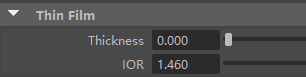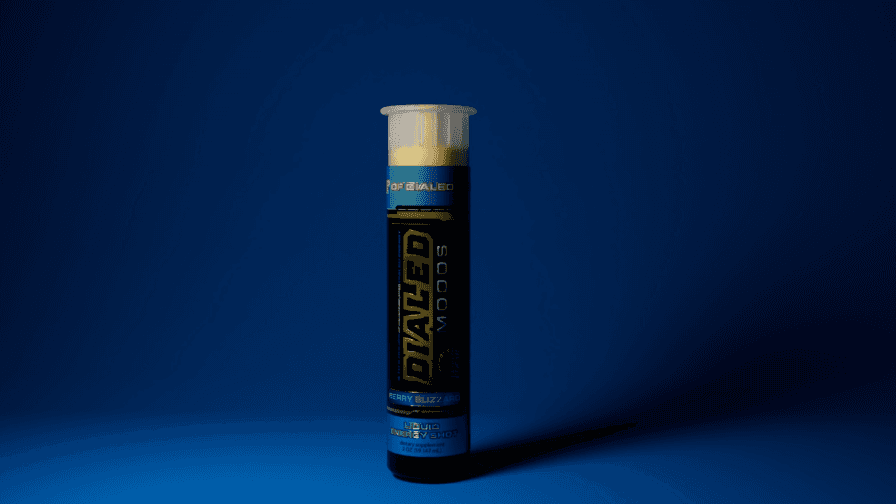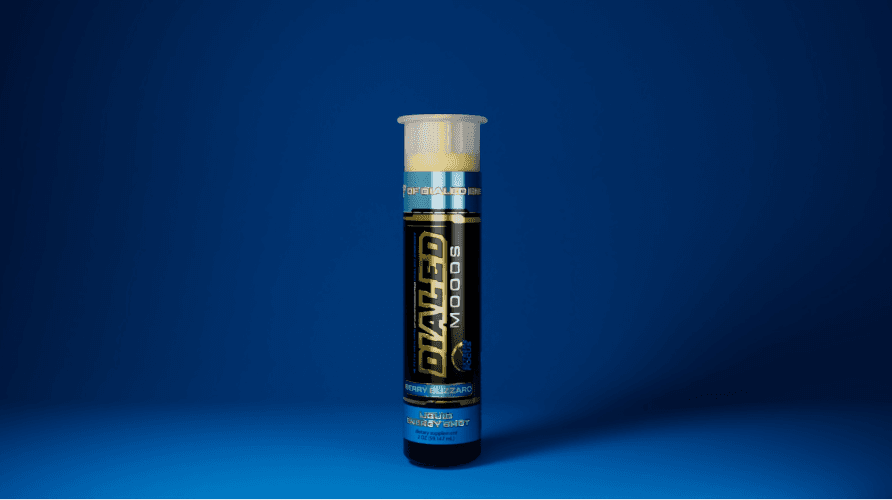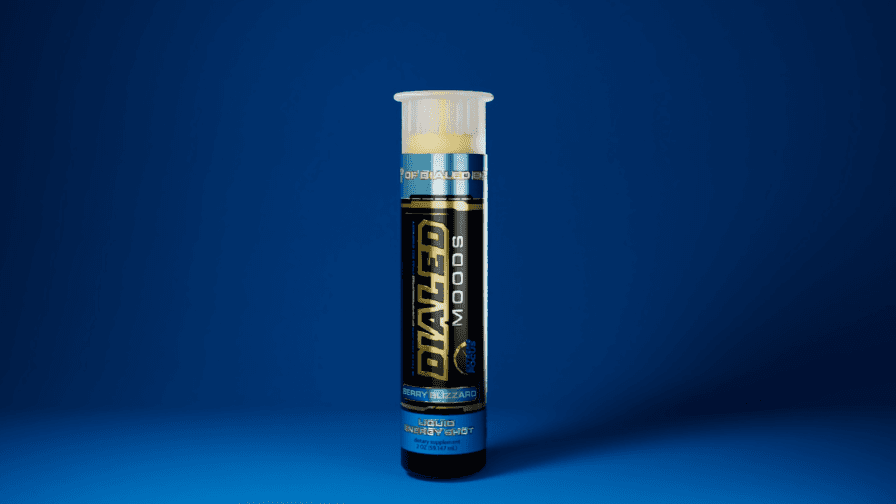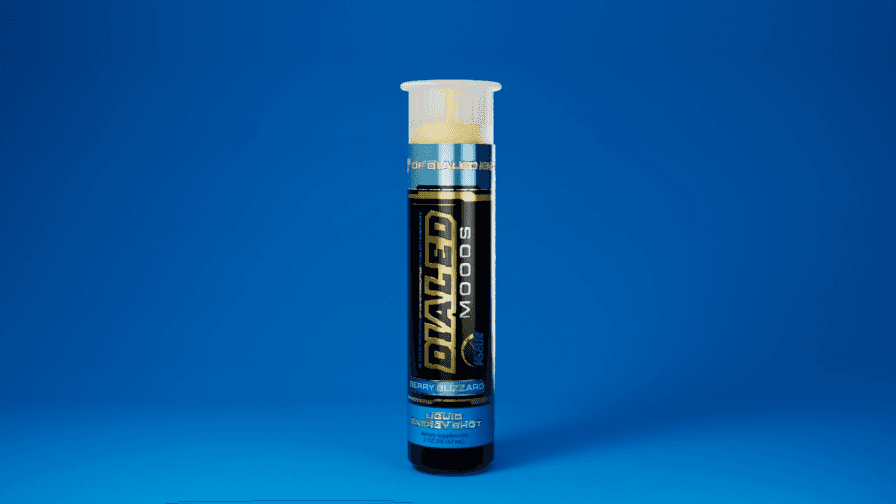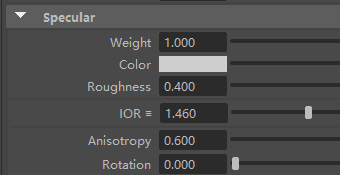
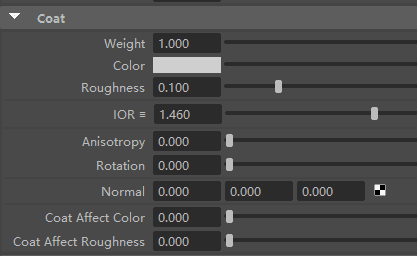
Correct Index of Refraction (IOR) values is an essential factor for achieving realistic rendering.

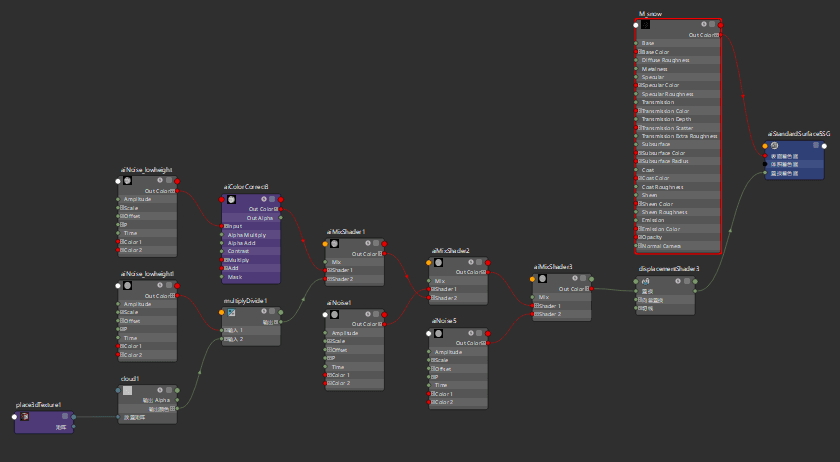
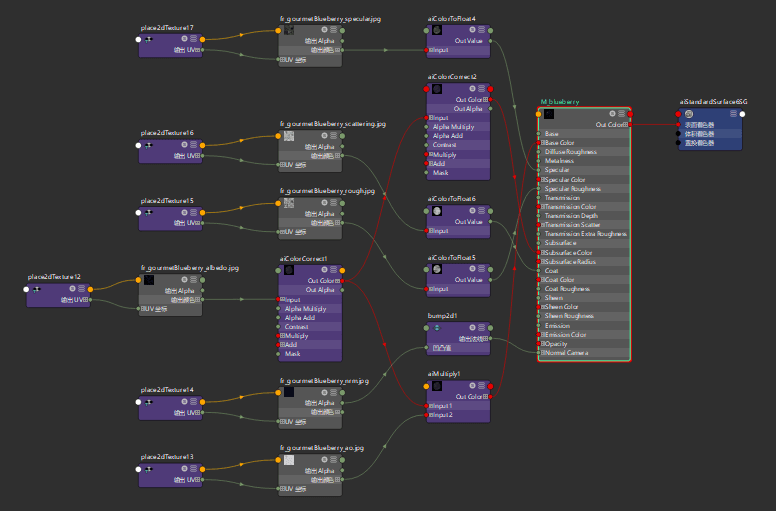
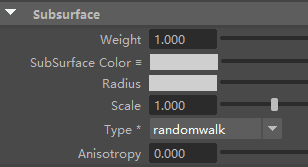
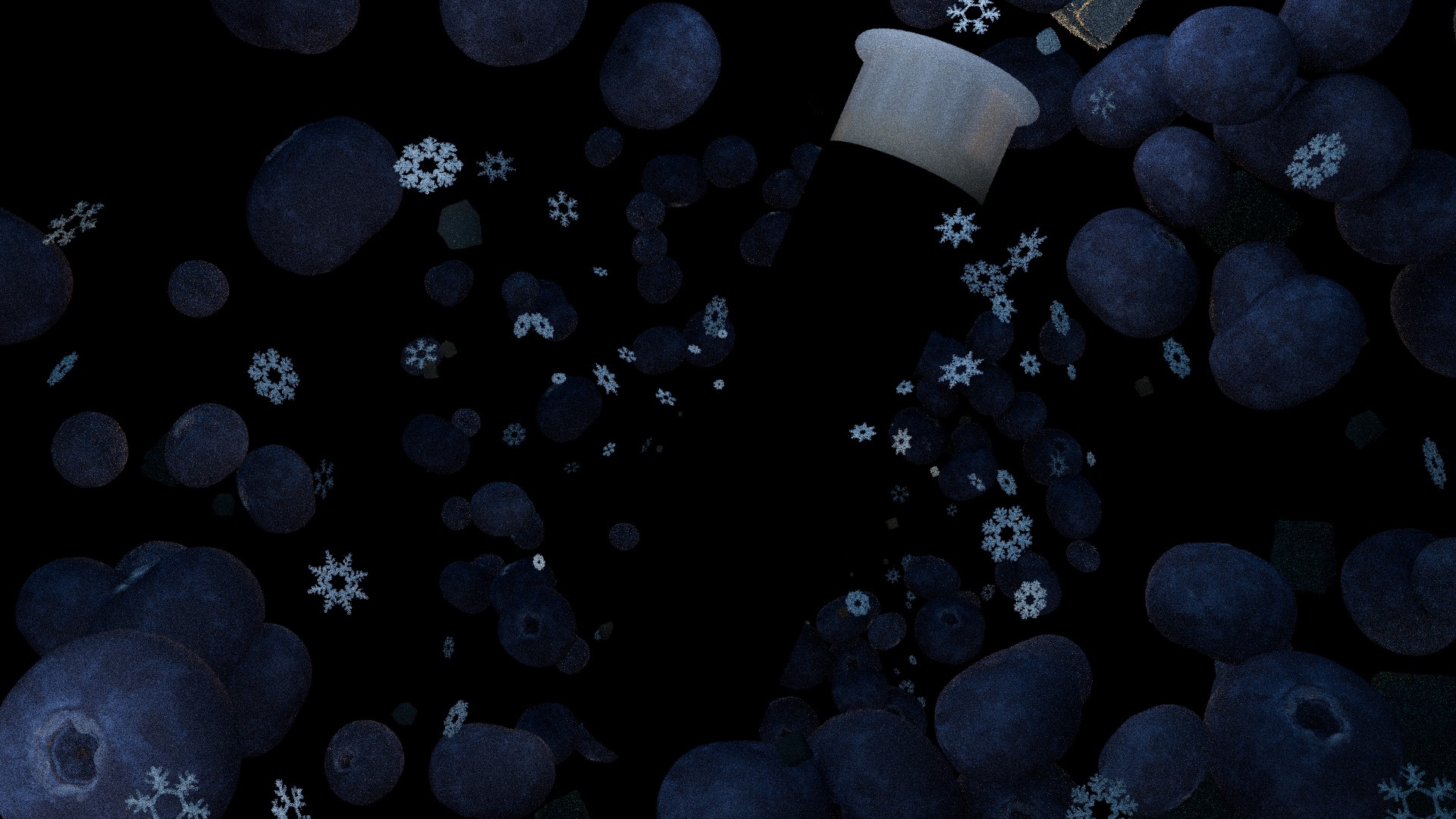
I adjusted the subsurface scattering (SSS) to achieve realistic translucency for plastic.

Utilize the provided AI graphics to generate displacement maps, mask maps, and other assets to enhance material quality and realism.
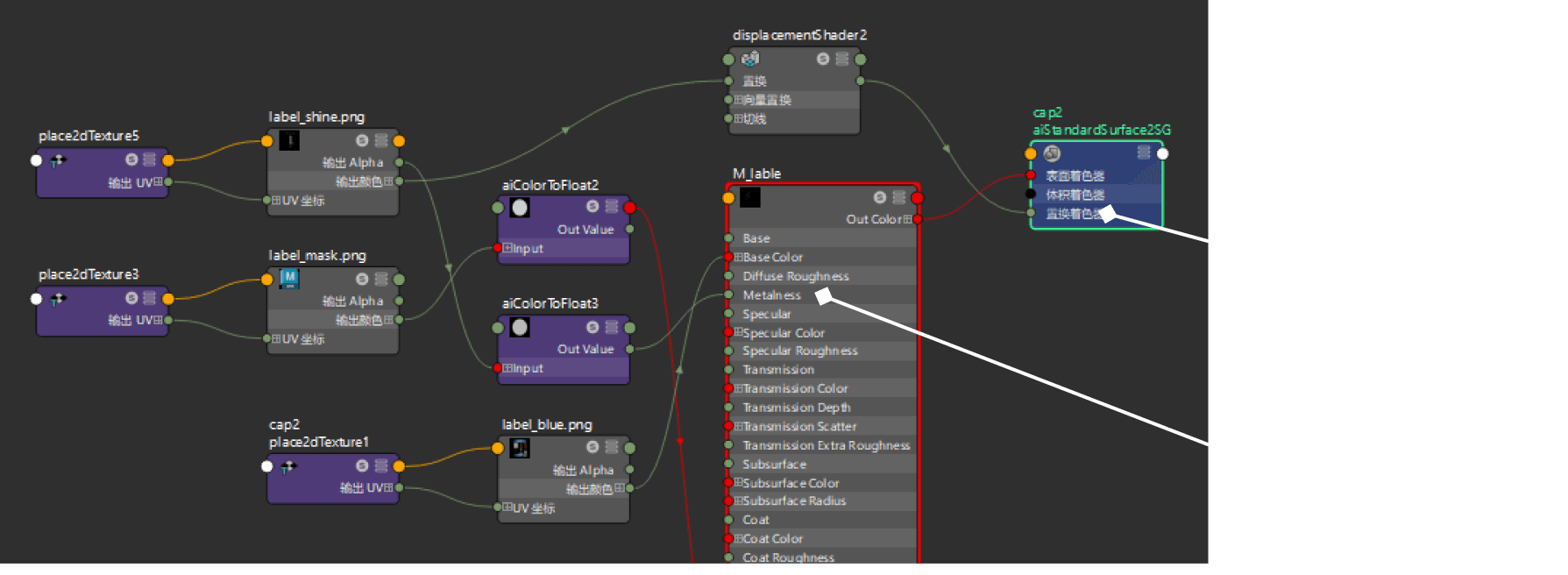
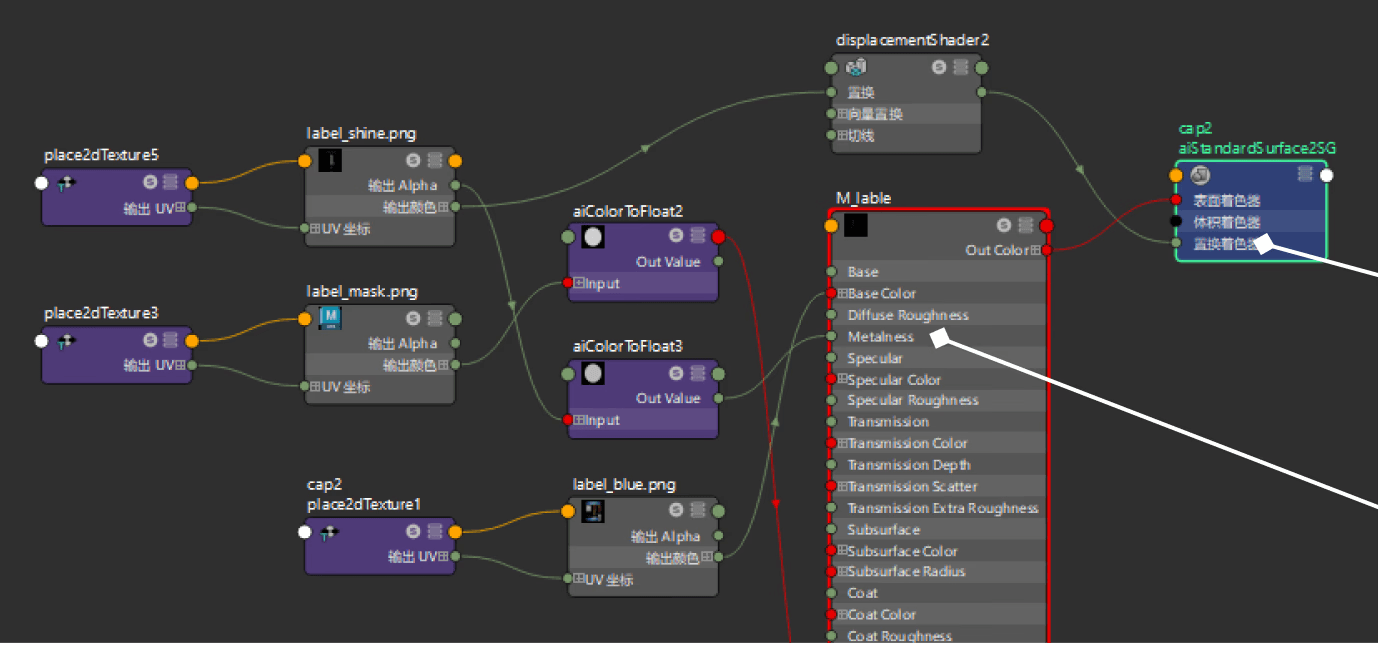
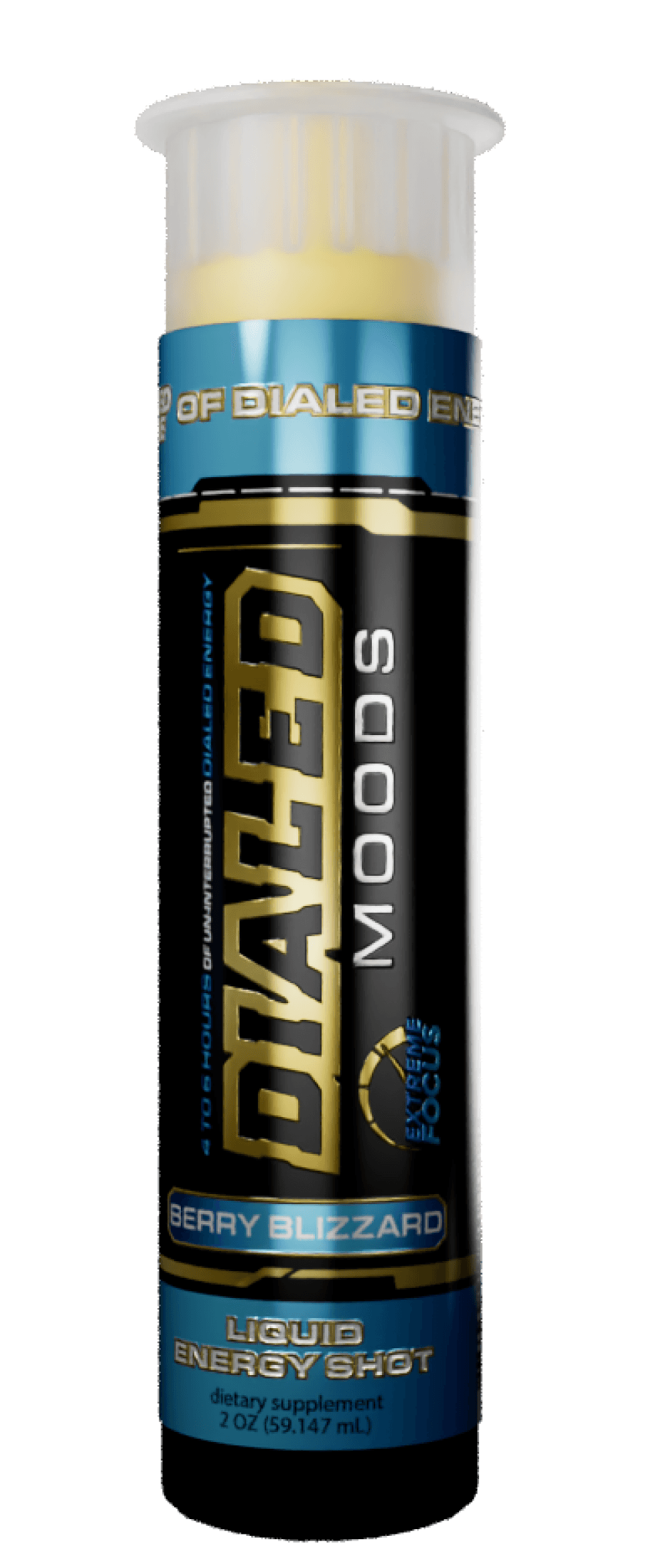
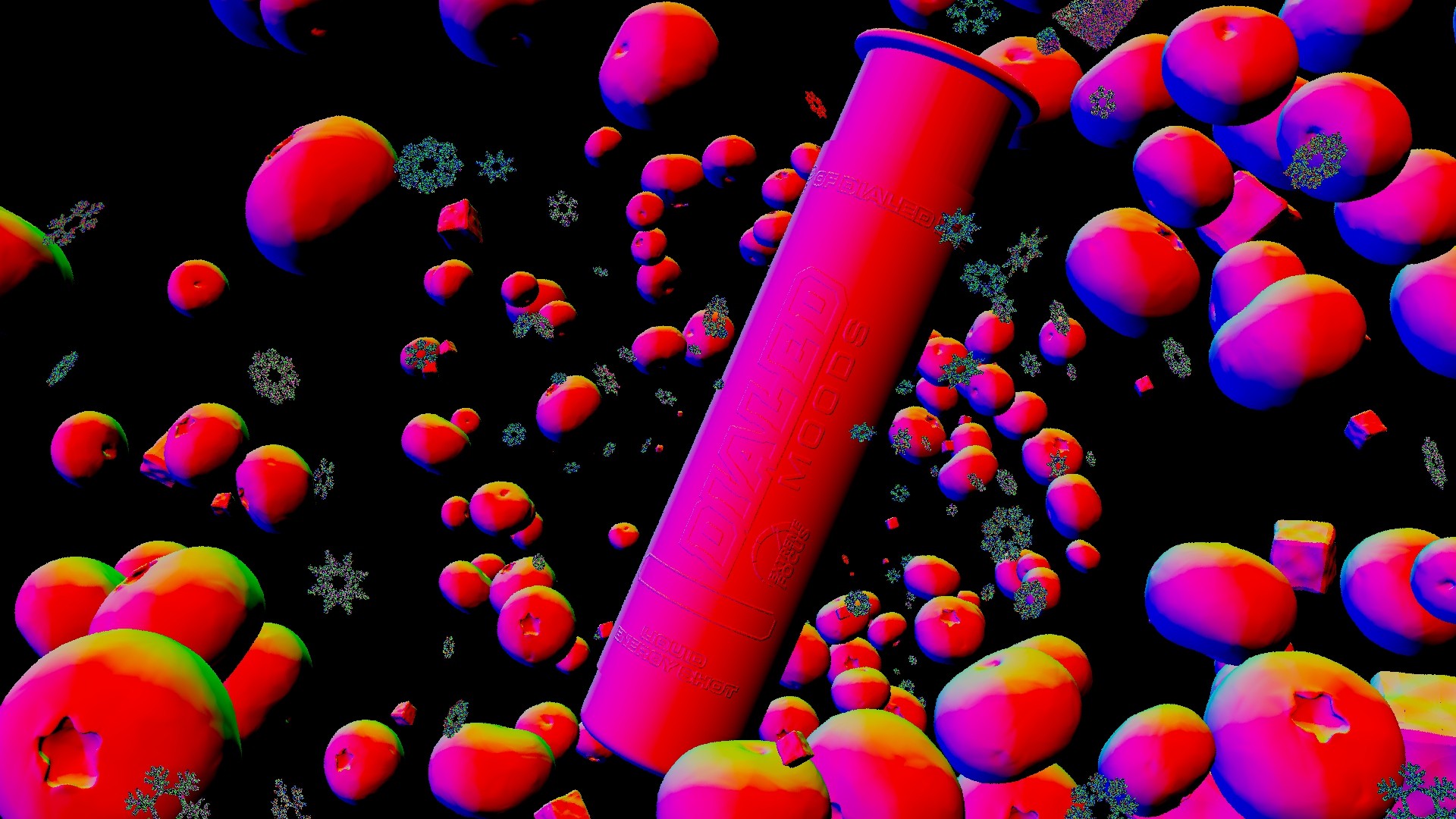
To enhance the texture of the label, I used Adobe Illustrator to create a displacement map for achieving a three-dimensional effect. Additionally, I created a metallic map to enable a combination of multiple materials for the label.

Materials and Shading

3D Product Visualization

3D Product Visualization

Artist Test

Art test

Product Modeling

Product Render

Create detailed models based on images, ensure high-quality 3D topology, set up lighting to achieve realistic rendering and build scenes promotional visuals.

Create detailed models based on images, ensure high-quality 3D topology, set up lighting to achieve realistic rendering and build scenes promotional visuals.

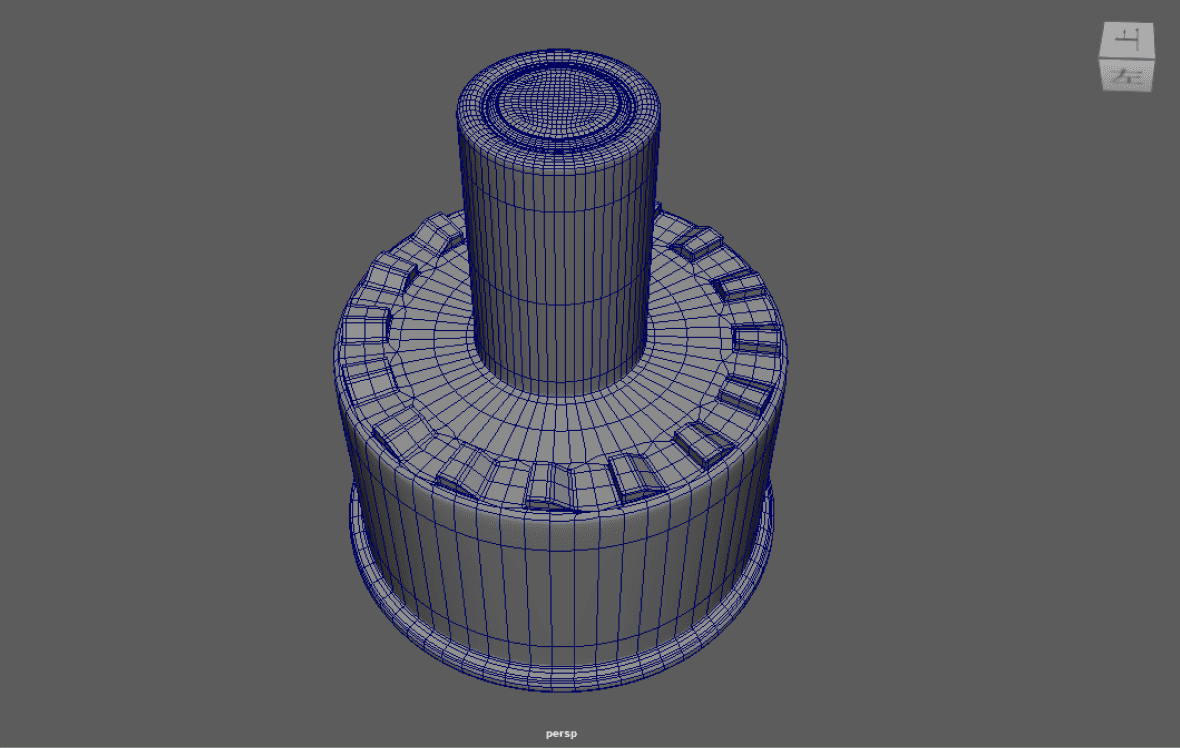
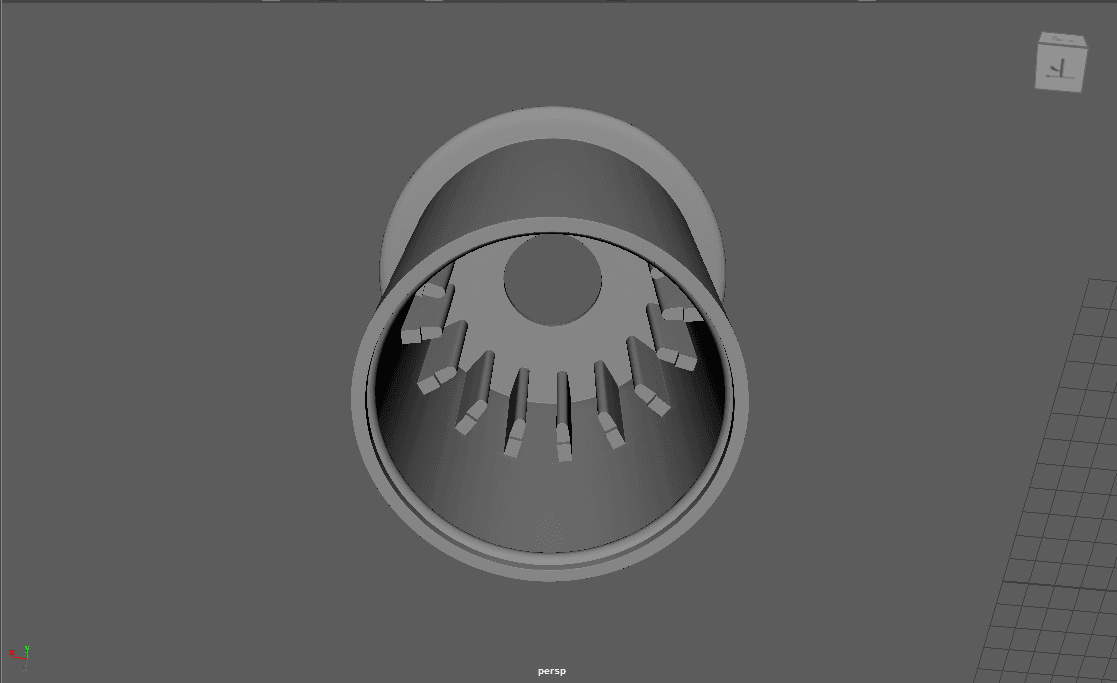
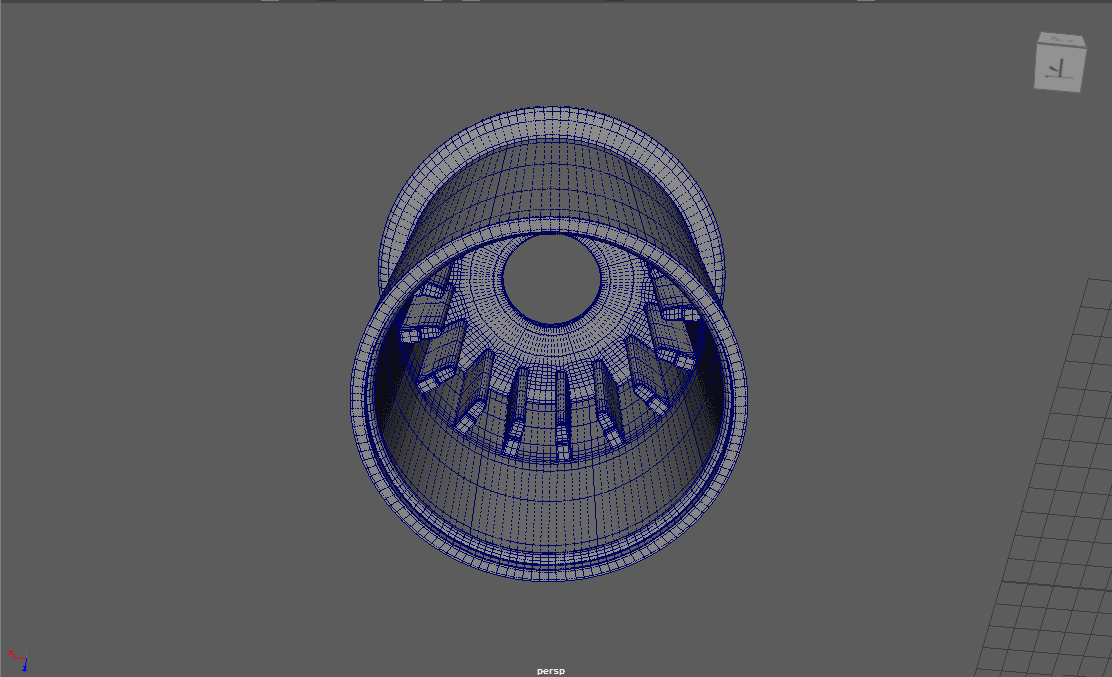
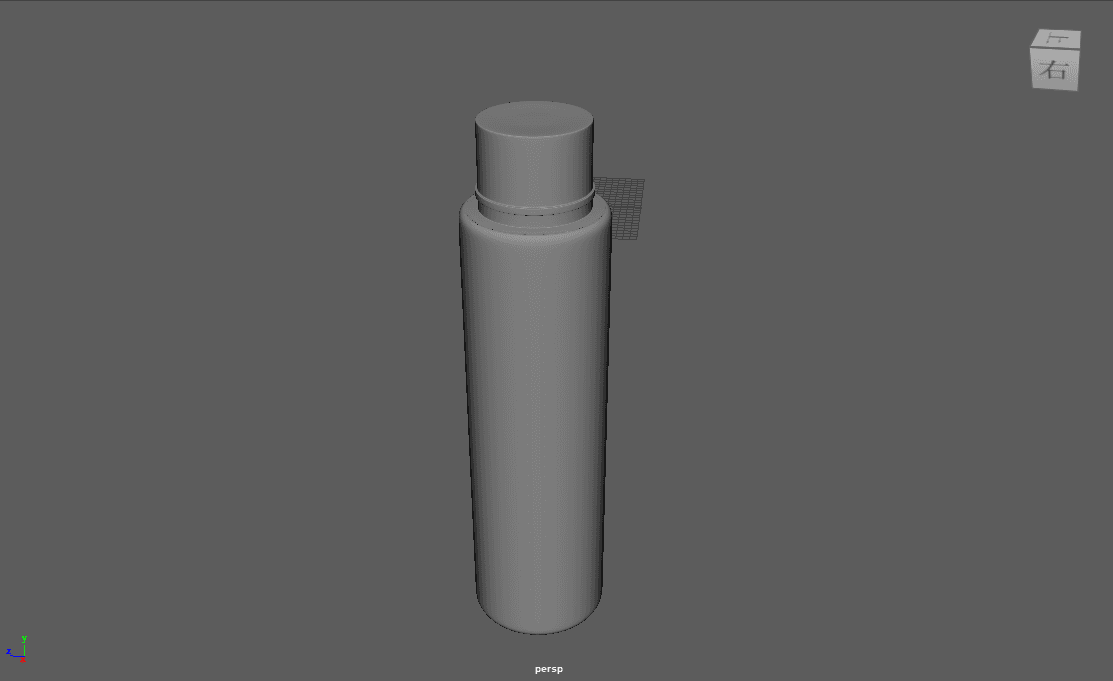
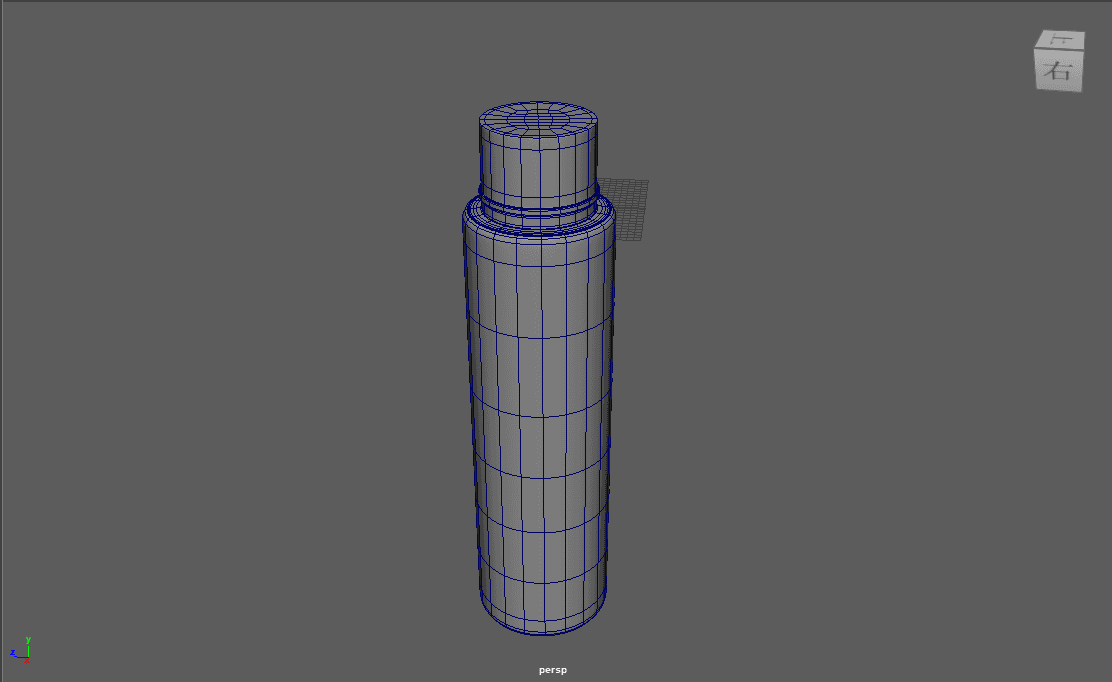
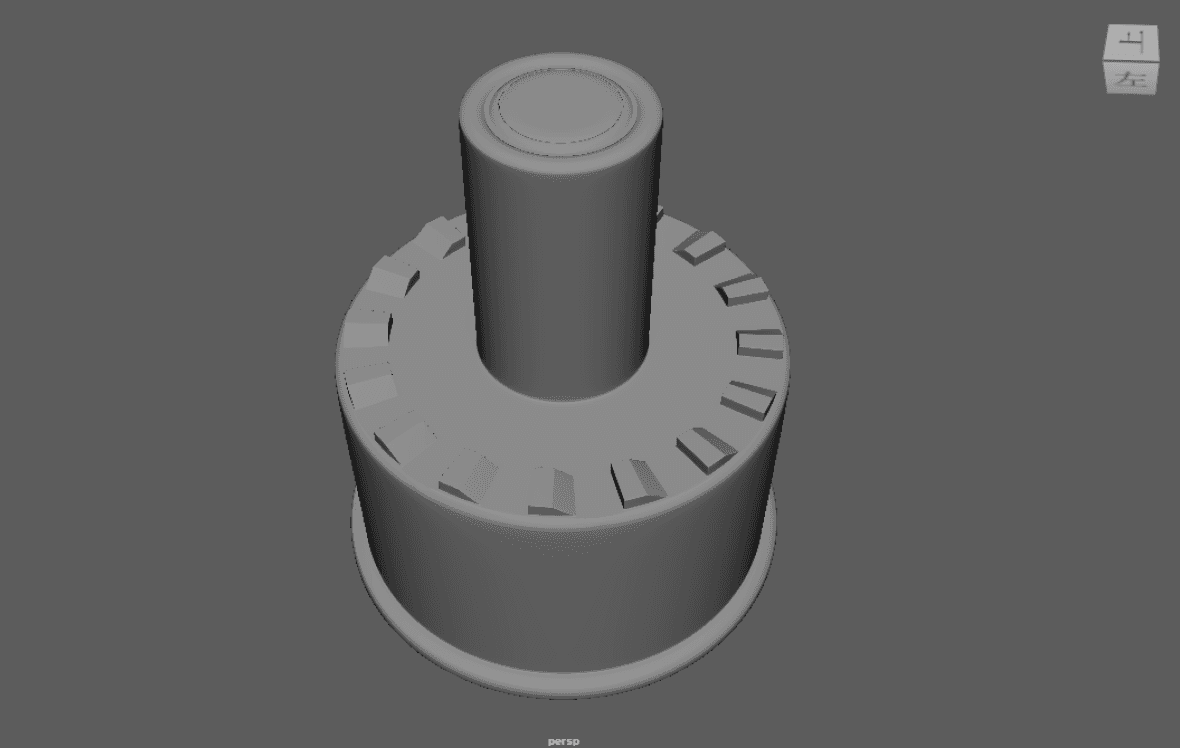
Analyze the product images, break down the components, and identify four parts to model — the cap, the nozzle, the bottle body, and the packaging. Import design Ref to ensure a 1:1 scale for accurate product proportions and detailed replication. Apply beveling to edges for smoother corners. Focus on hard surface modeling with optimized topology.

Analyze the product images, break down the components, and identify four parts to model — the cap, the nozzle, the bottle body, and the packaging. Import design Ref to ensure a 1:1 scale for accurate product proportions and detailed replication. Apply beveling to edges for smoother corners. Focus on hard surface modeling with optimized topology.

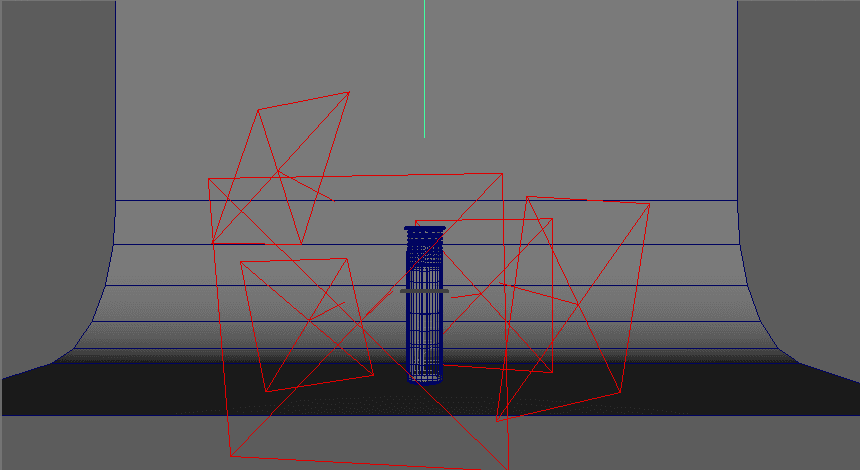
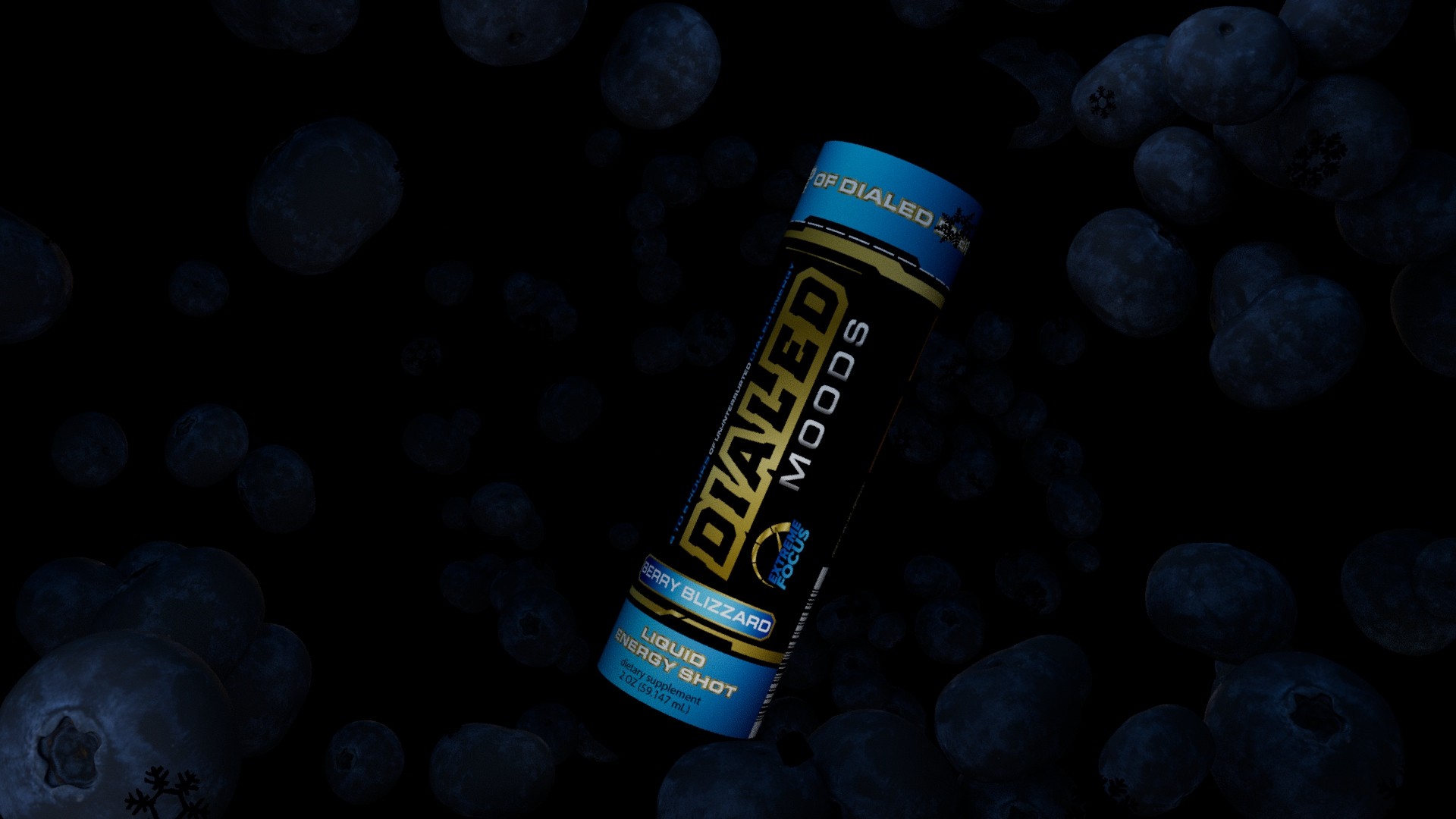
The key light serves as the primary light source for the subject. The fill light helps control contrast by softening the shadows created by the key light. The back light (or rim light) is a strong light placed behind the subject to help separate it from the background, enhancing its definition.

The key light serves as the primary light source for the subject. The fill light helps control contrast by softening the shadows created by the key light. The back light (or rim light) is a strong light placed behind the subject to help separate it from the background, enhancing its definition.

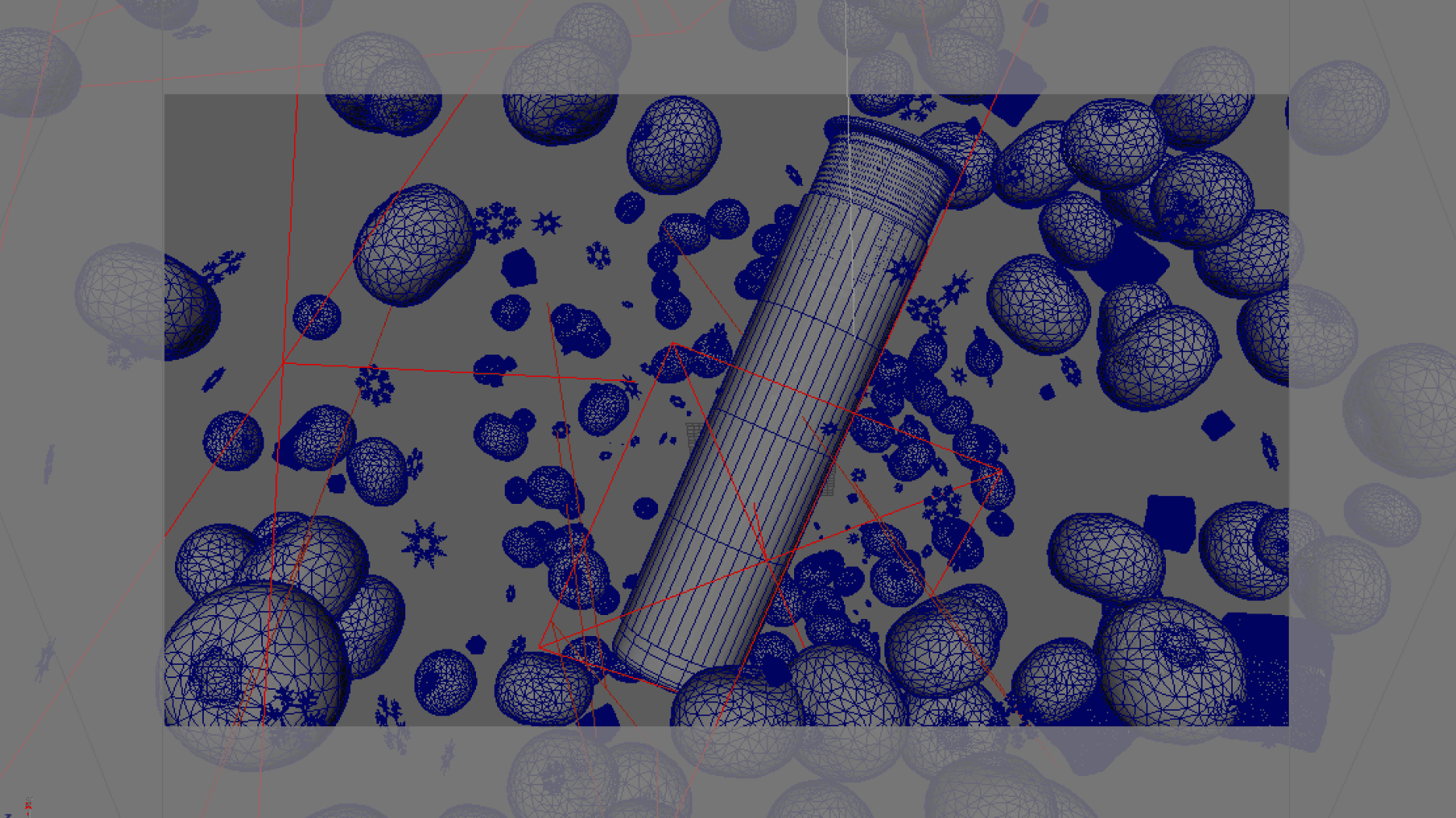
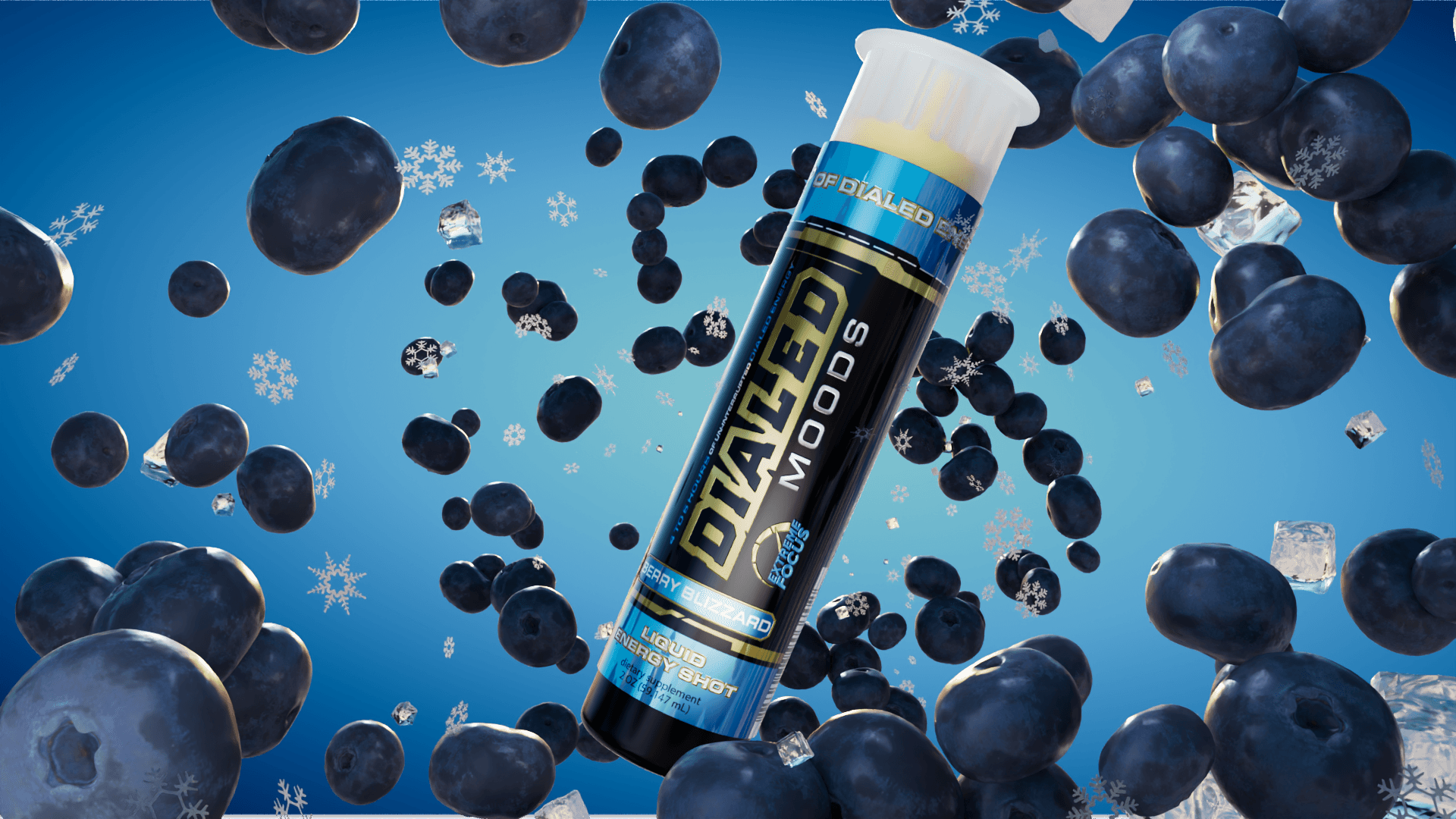
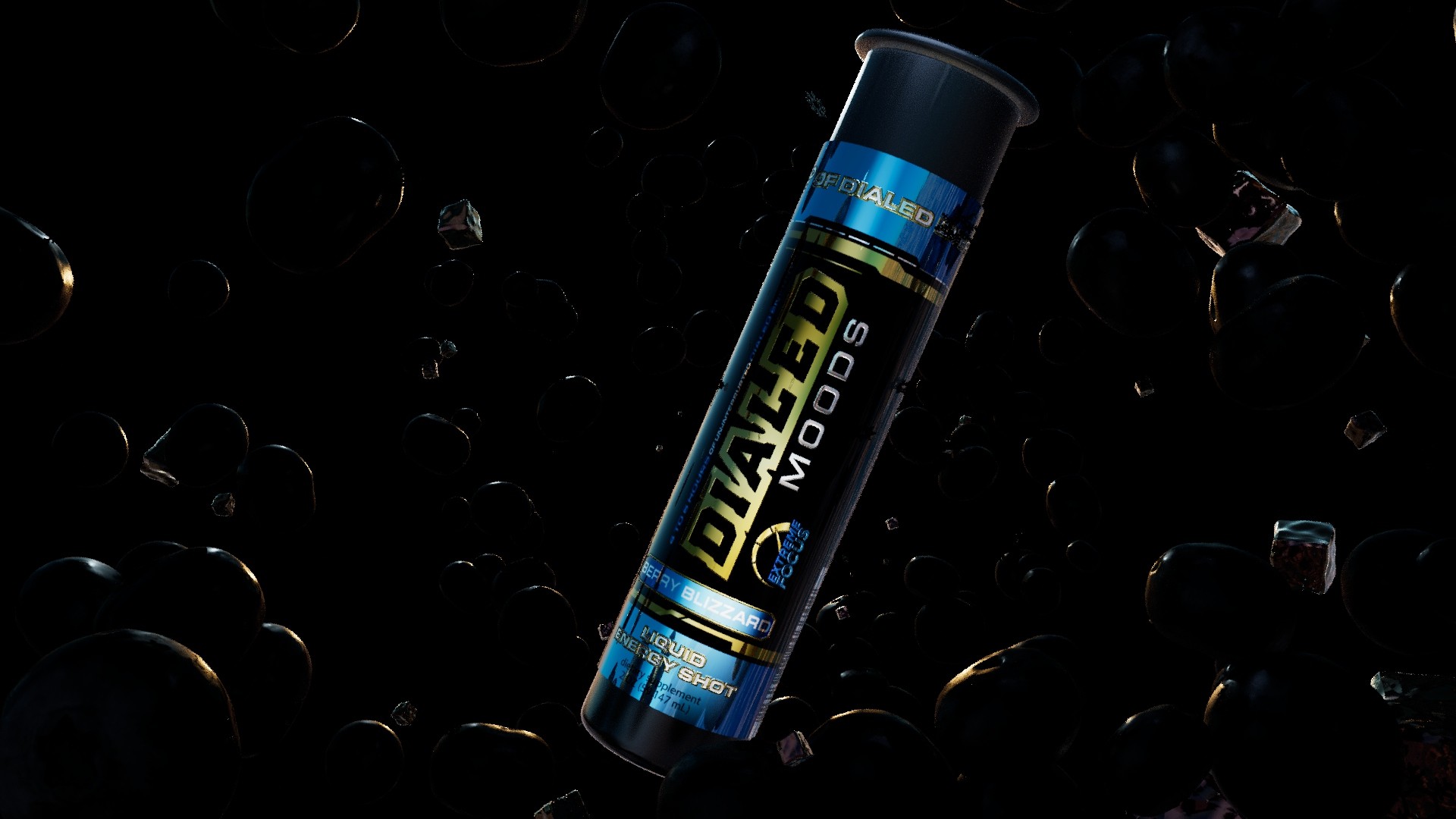
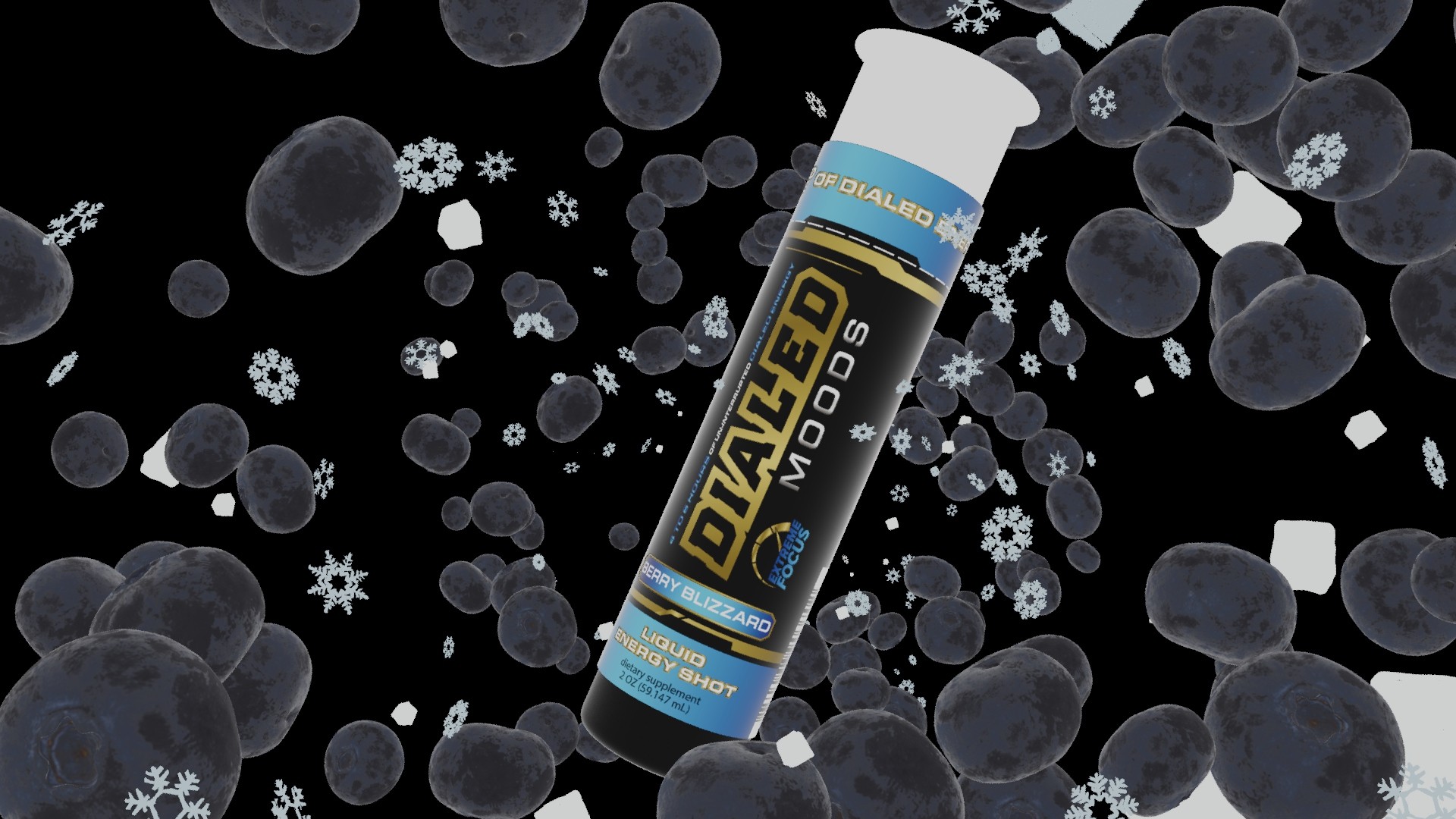
When setting up this scene, my primary consideration was the feeling I wanted the product to evoke in users. Since the product’s flavor is Berry Blizzard, I chose blueberries, ice cubes, and snowflakes as the main elements to convey a refreshing and icy sensation.

When setting up this scene, my primary consideration was the feeling I wanted the product to evoke in users. Since the product’s flavor is Berry Blizzard, I chose blueberries, ice cubes, and snowflakes as the main elements to convey a refreshing and icy sensation.

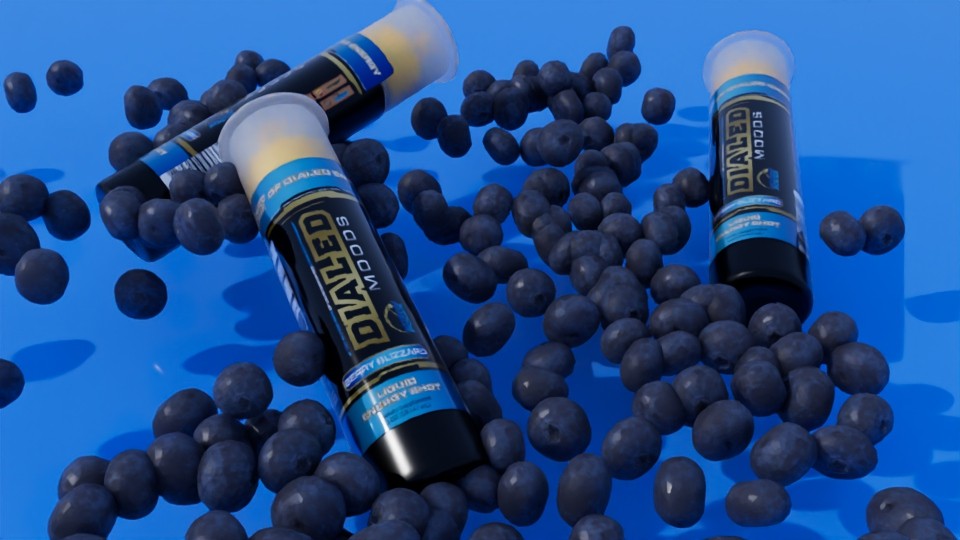
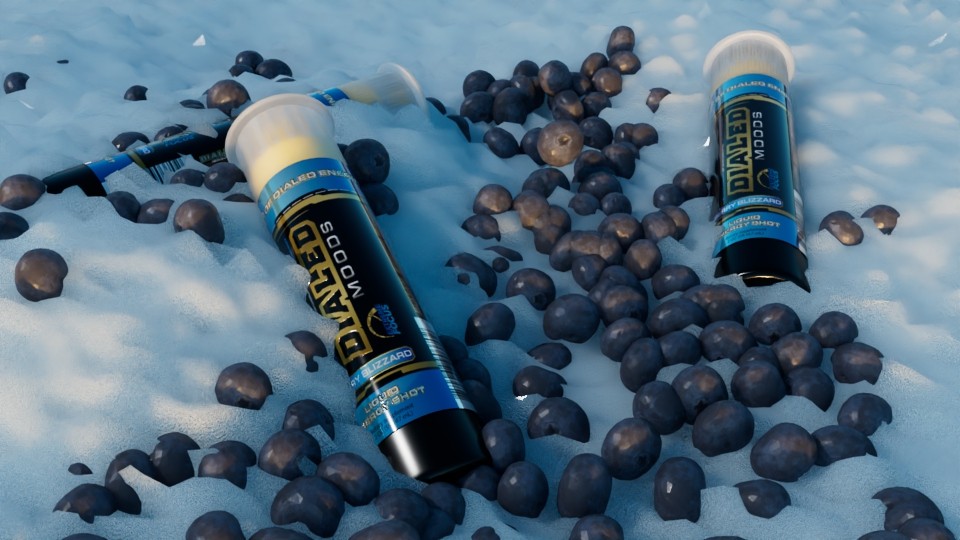
During the creation process, I considered two approaches: the first leaned toward a frame from a dynamic advertisement, while the second resembled static photography. Ultimately, I chose the first approach.

During the creation process, I considered two approaches: the first leaned toward a frame from a dynamic advertisement, while the second resembled static photography. Ultimately, I chose the first approach.

Time

Time

1 week

1 week

Role

Role

Product Modeler

Product Modeler

Product Render

Product Render

Adobe Illustrator

Adobe Illustrator

Tools

Tools

Maya

Maya

Modeling

Promotional Scenes

Additional material I made

Lighting
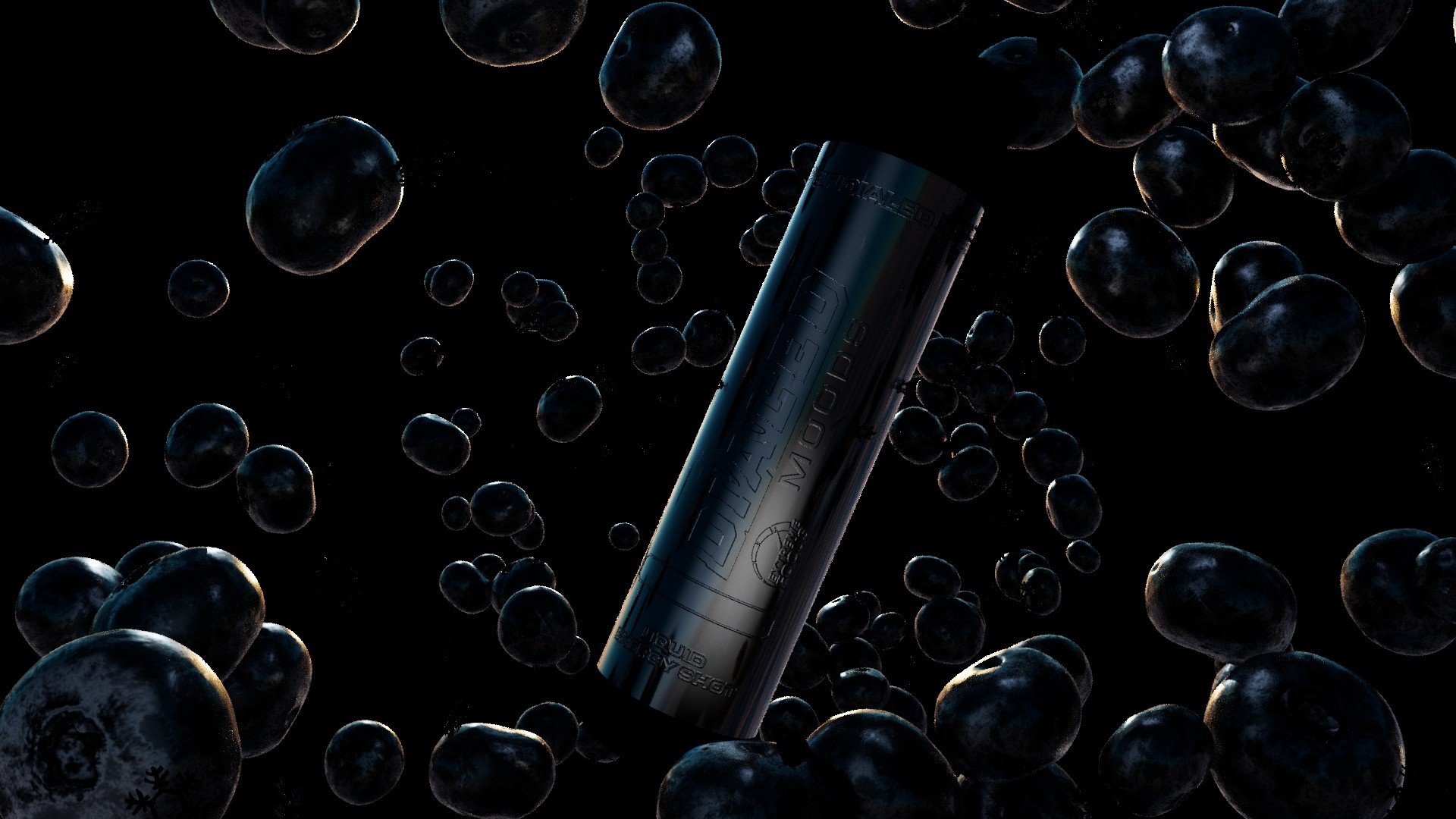
Using the coat and thin film features, I simulated the thin layer adhered to the label.
Key Light

Key Light

Fill Light

Fill Light

Rim Light

Rim Light

Final Adjustment

Final Adjustment

Snow

Blueberry

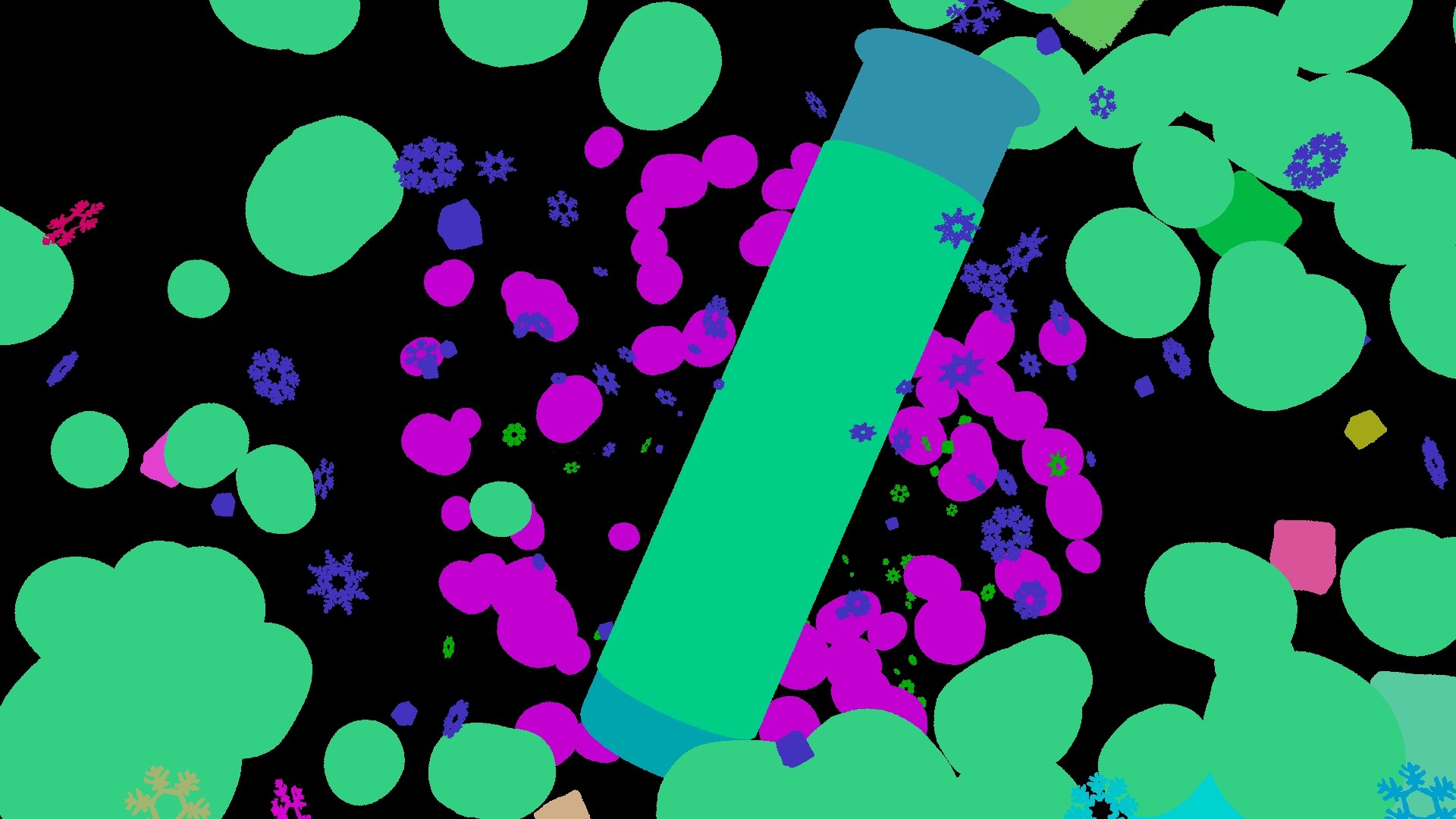
ID

Diffuse
Normal
Specular
Albedo
SSS
Coat
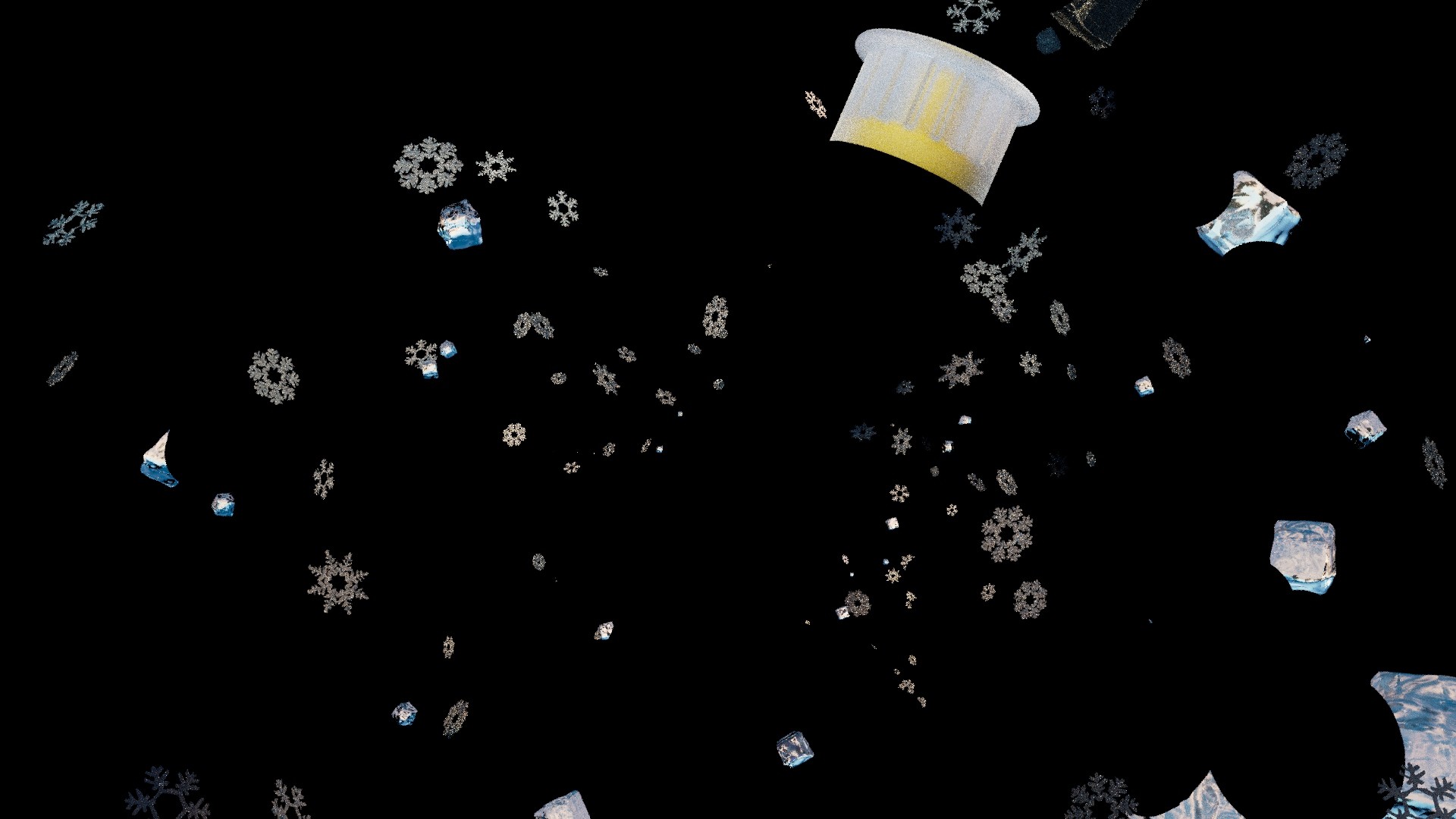
Transmission