Project Evelyn: SVA Senior Thesis

Project Evelyn:

SVA Senior Thesis

Lighting

Environment

VFX

Stylize Render

Compositing

Collaboration

Shading
Project Evelyn is an anime-style 3D animation created by me and my partner Xiaochong Teng. We used Maya for modeling, rigging, and animation; Substance Painter and Designer for texturing; Unreal Engine for lighting, rendering, and stylized shading; and After Effects, Premiere, and Nuke for compositing.

We thank our professors and classmates for their support and guidance throughout the project.

Role

Role

Environment Artist

Environment Artist

2 person Core Team

2 person Core Team

Extended Team

Extended Team

Tools

Tools

Unreal Engine 5

Unreal Engine 5

Maya

Maya

Project Evelyn is an anime-style 3D animation created by me and my partner Xiaochong Teng. We used Maya for modeling, rigging, and animation; Substance Painter and Designer for texturing; Unreal Engine for lighting, rendering, and stylized shading; and After Effects, Premiere, and Nuke for compositing.

We thank our professors and classmates for their support and guidance throughout the project.

Team

Team

Lighting Artist

Lighting Artist

Substance

Substance

Houdini

Houdini

Procreate

Technical Artist

Technical Artist

Compositor

Compositor

Procreate

Time

Time

1 Year

1 Year

Pre-production

Pre-production

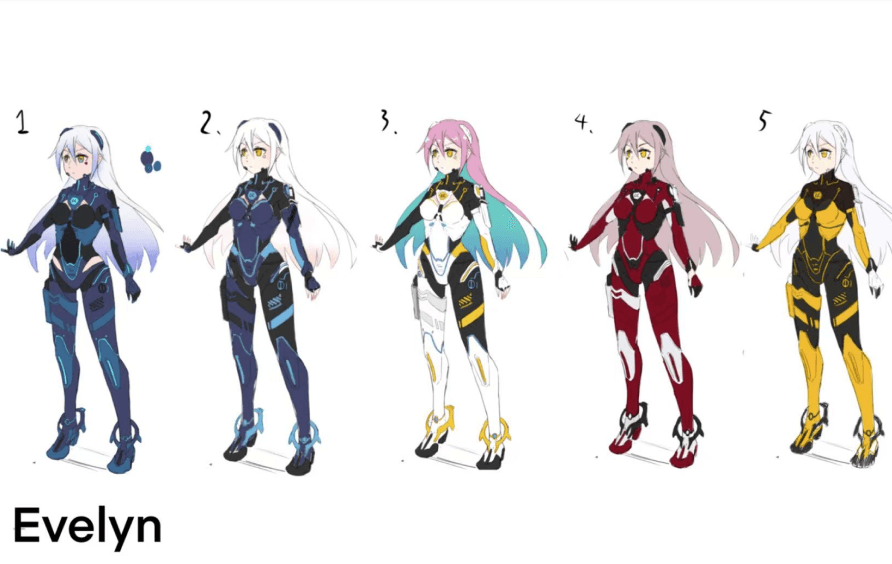
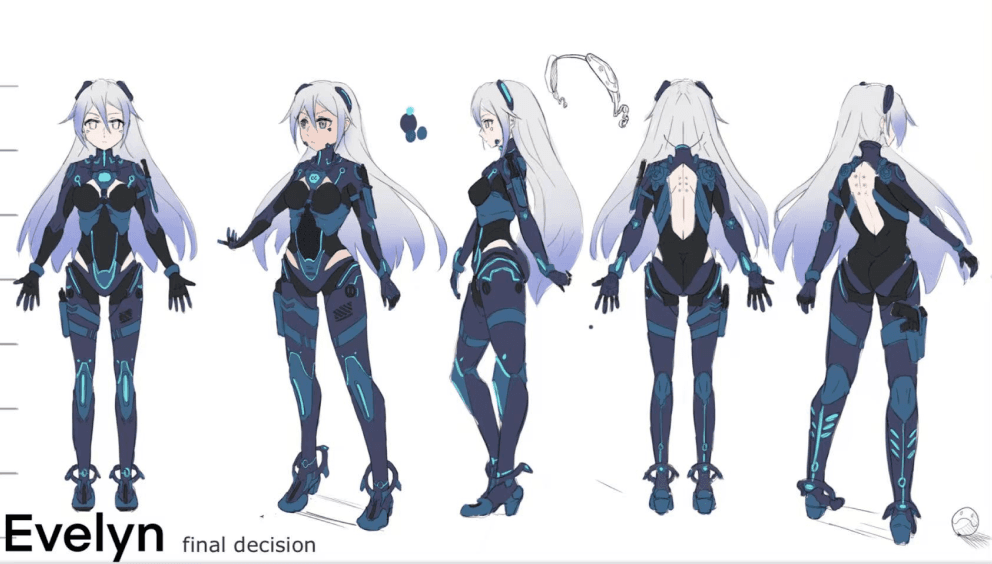
In the pre-production phase, I took charge of designing the color palette for the characters. I developed multiple color schemes, collected feedback from team members and peers, and finalized blue as the signature color for the protagonist. Alongside this, we produced a previs to visualize key scenes, created a detailed timeline, and documented all necessary assets and technical requirements to support the production pipeline.

Environment

Environment

Passageway

Laboratory

Hall

Exterior

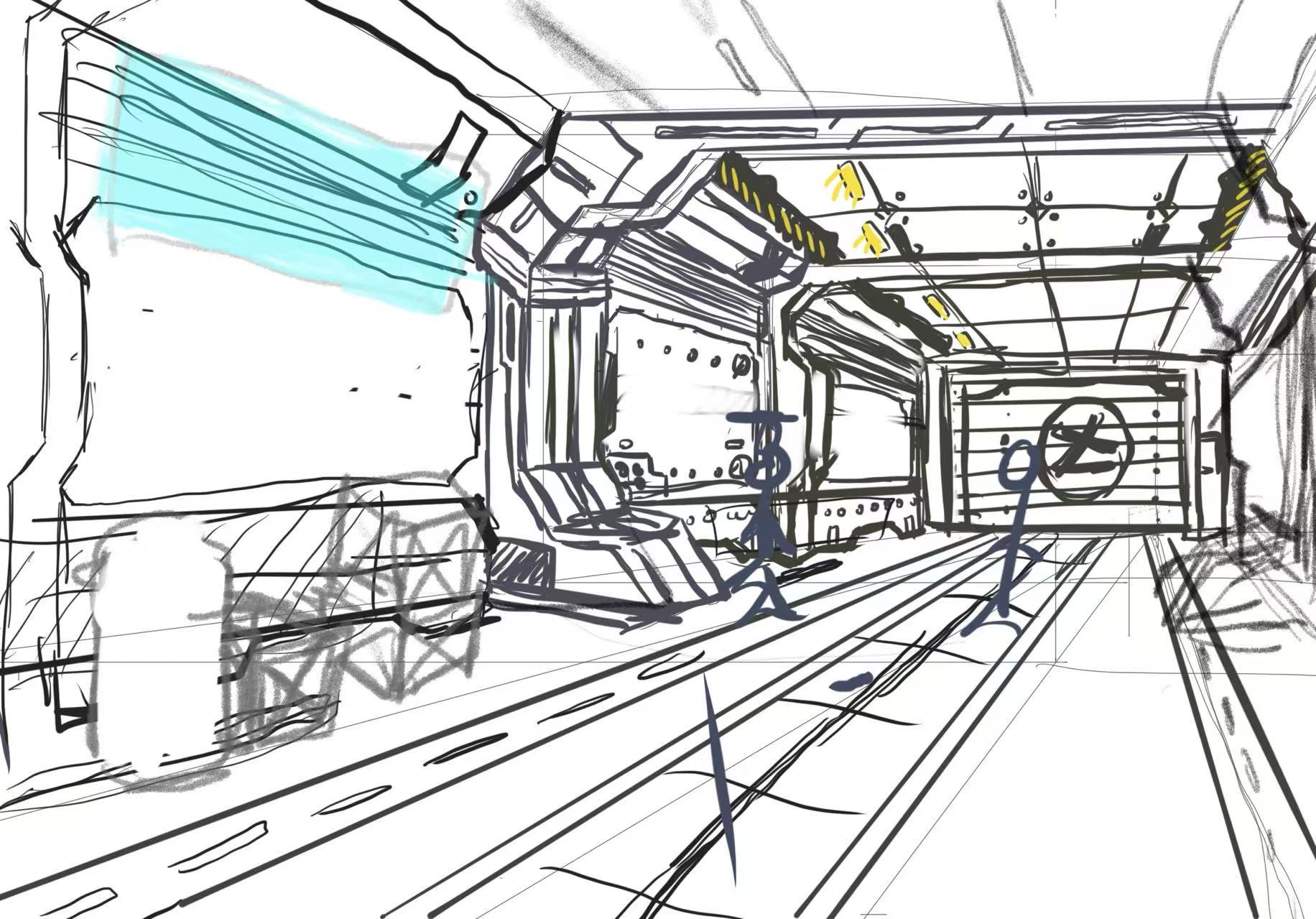
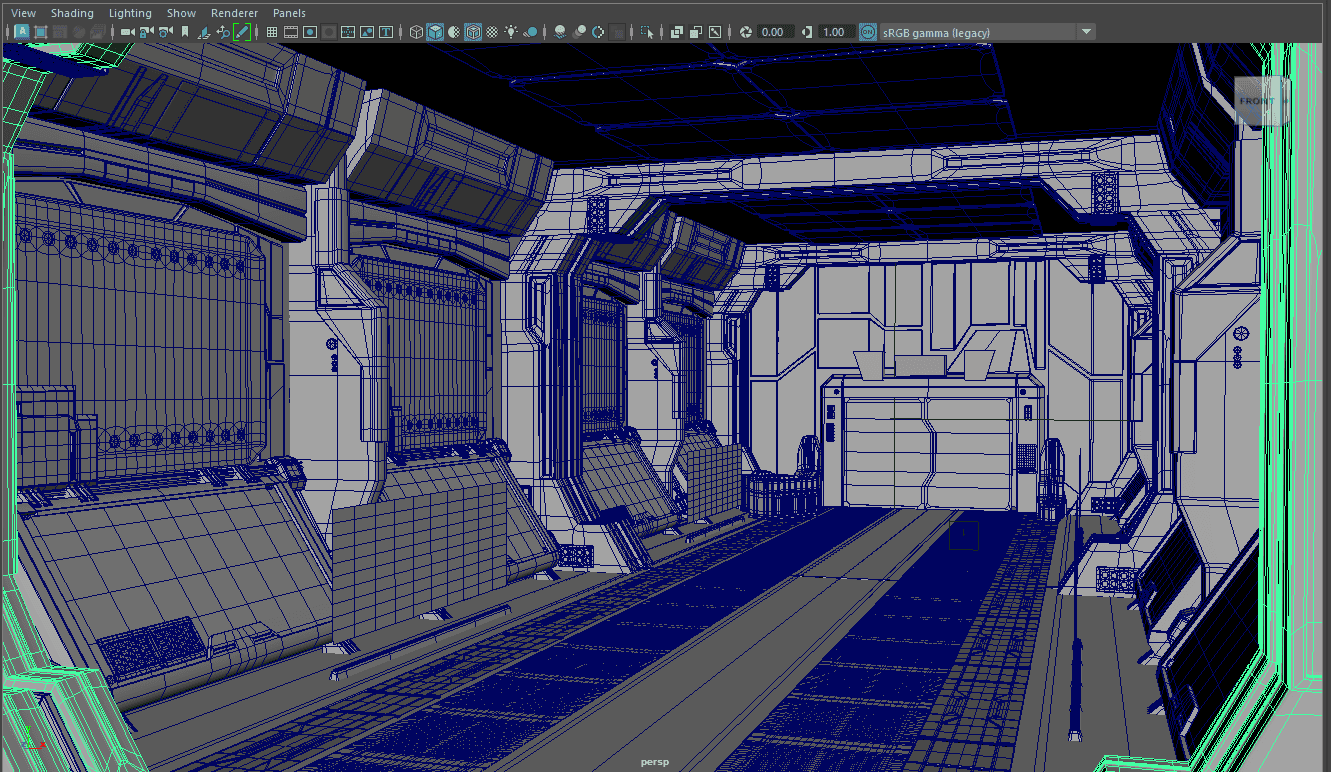
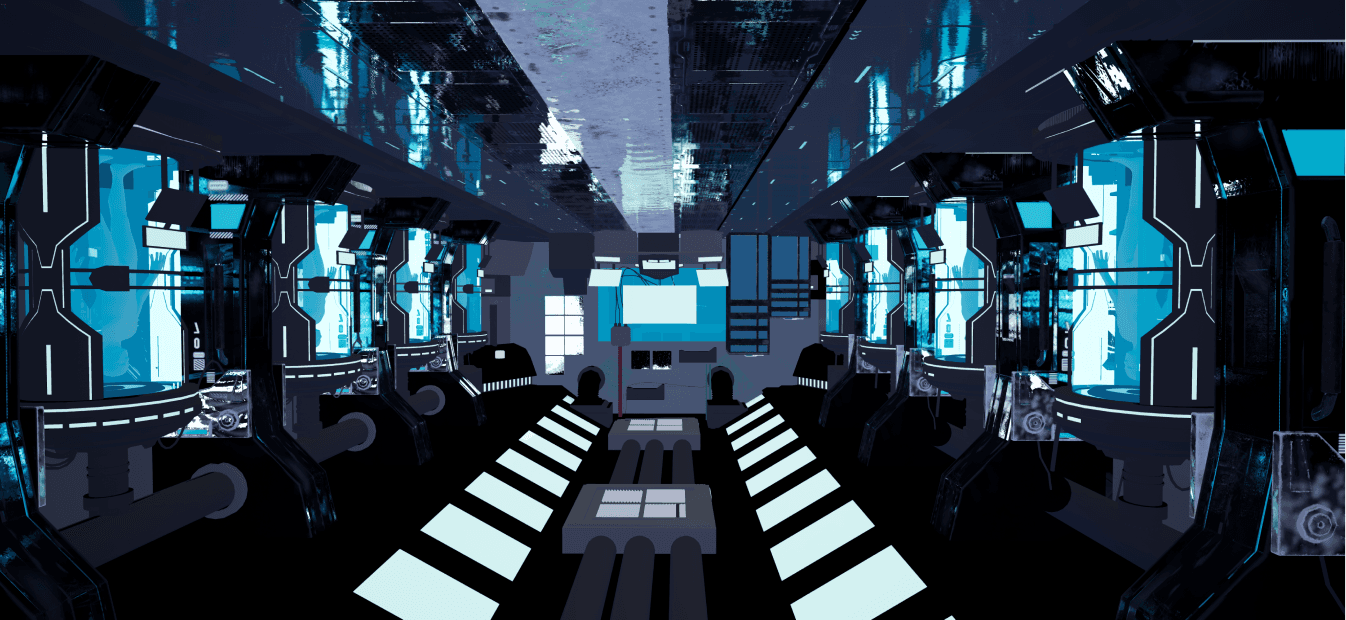
I was responsible for designing and building the environments for the story. We defined four key locations—the main hall, laboratory, passageway, and exterior—along with a destroyed version of the main hall. I created initial sketches for each environment, modeled them in Maya, and assembled the final scenes in Unreal Engine 5 to achieve the desired atmosphere and storytelling impact.

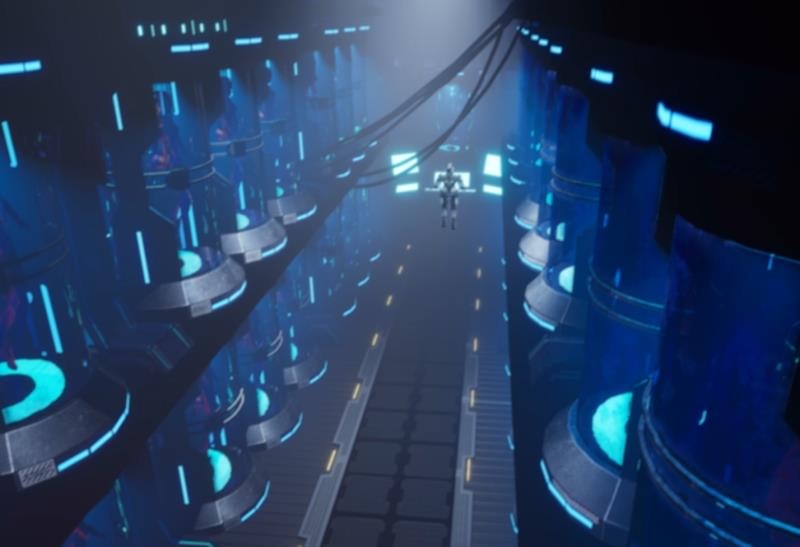
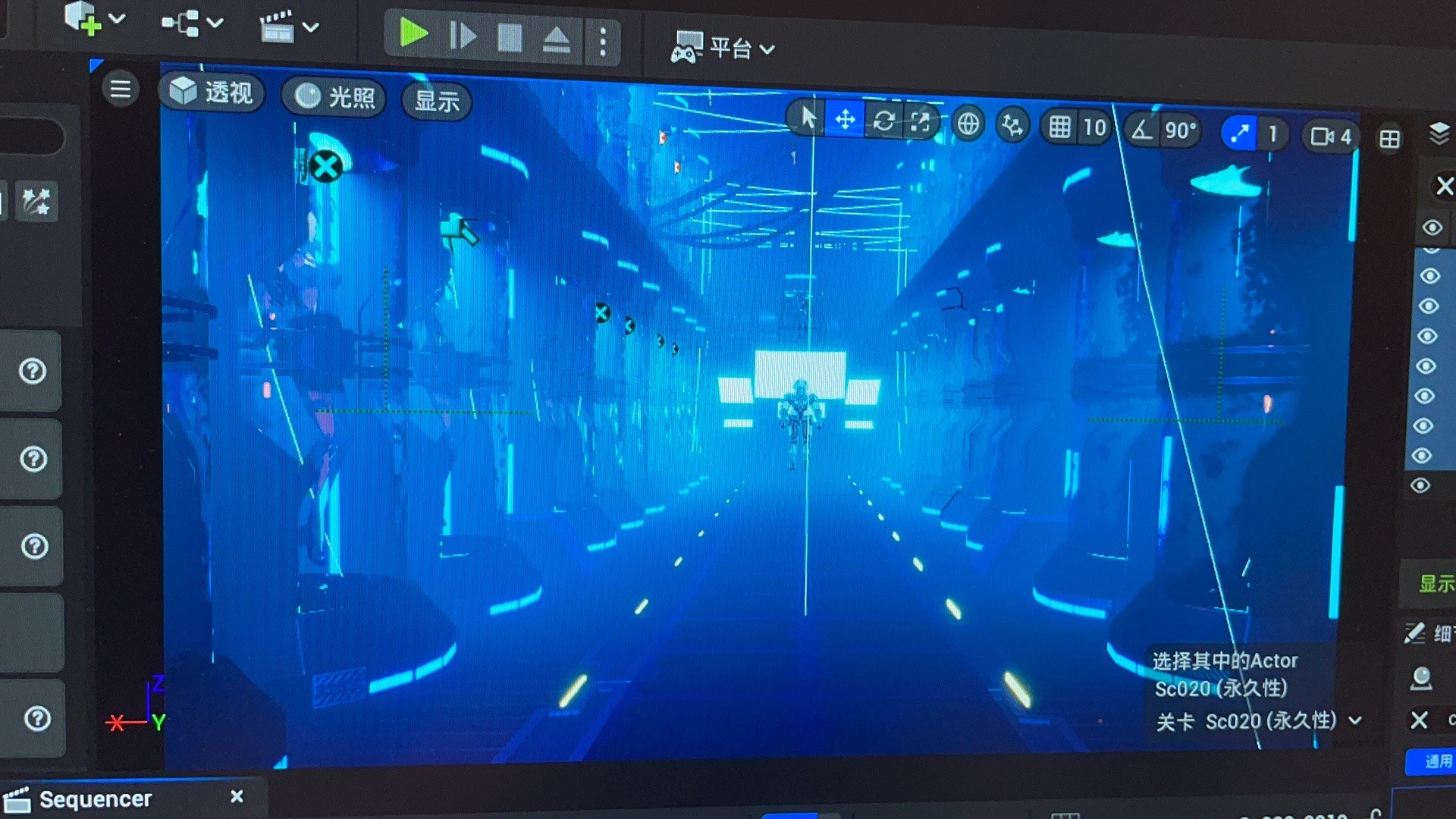
The initial design of the laboratory featured a single floor, but to better accommodate camera movement and convey the scale of numerous experimental subjects, I redesigned it into a three-level structure. I also fine-tuned the atmospheric fog in Unreal Engine 5 to enhance depth and create a more immersive, cinematic environment.

The initial design of the laboratory featured a single floor, but to better accommodate camera movement and convey the scale of numerous experimental subjects, I redesigned it into a three-level structure. I also fine-tuned the atmospheric fog in Unreal Engine 5 to enhance depth and create a more immersive, cinematic environment.

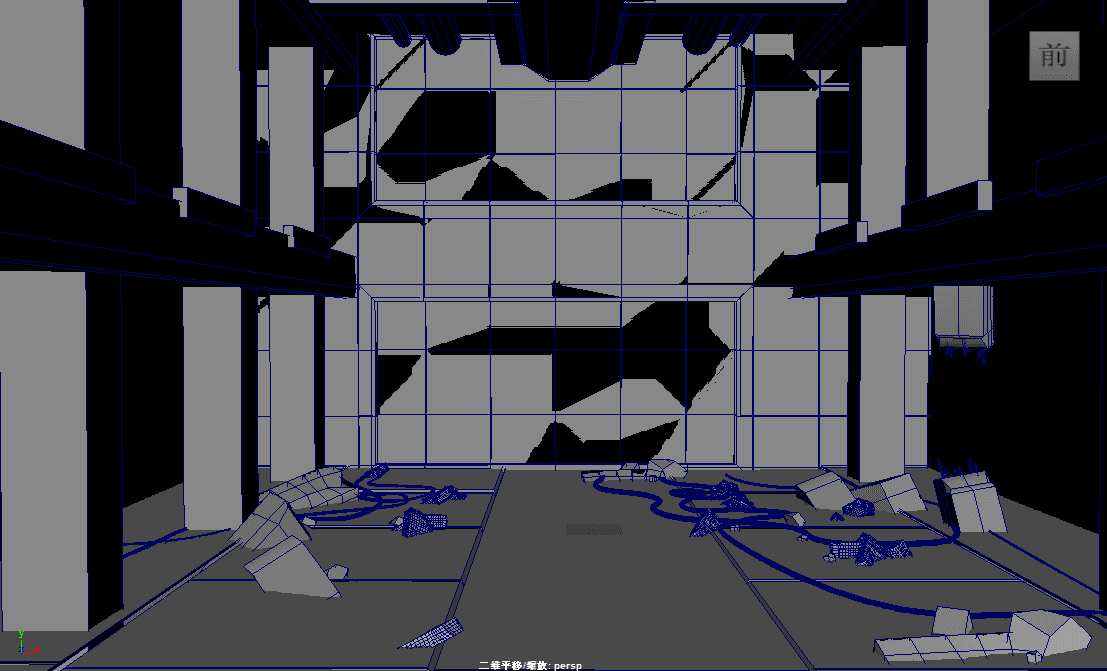
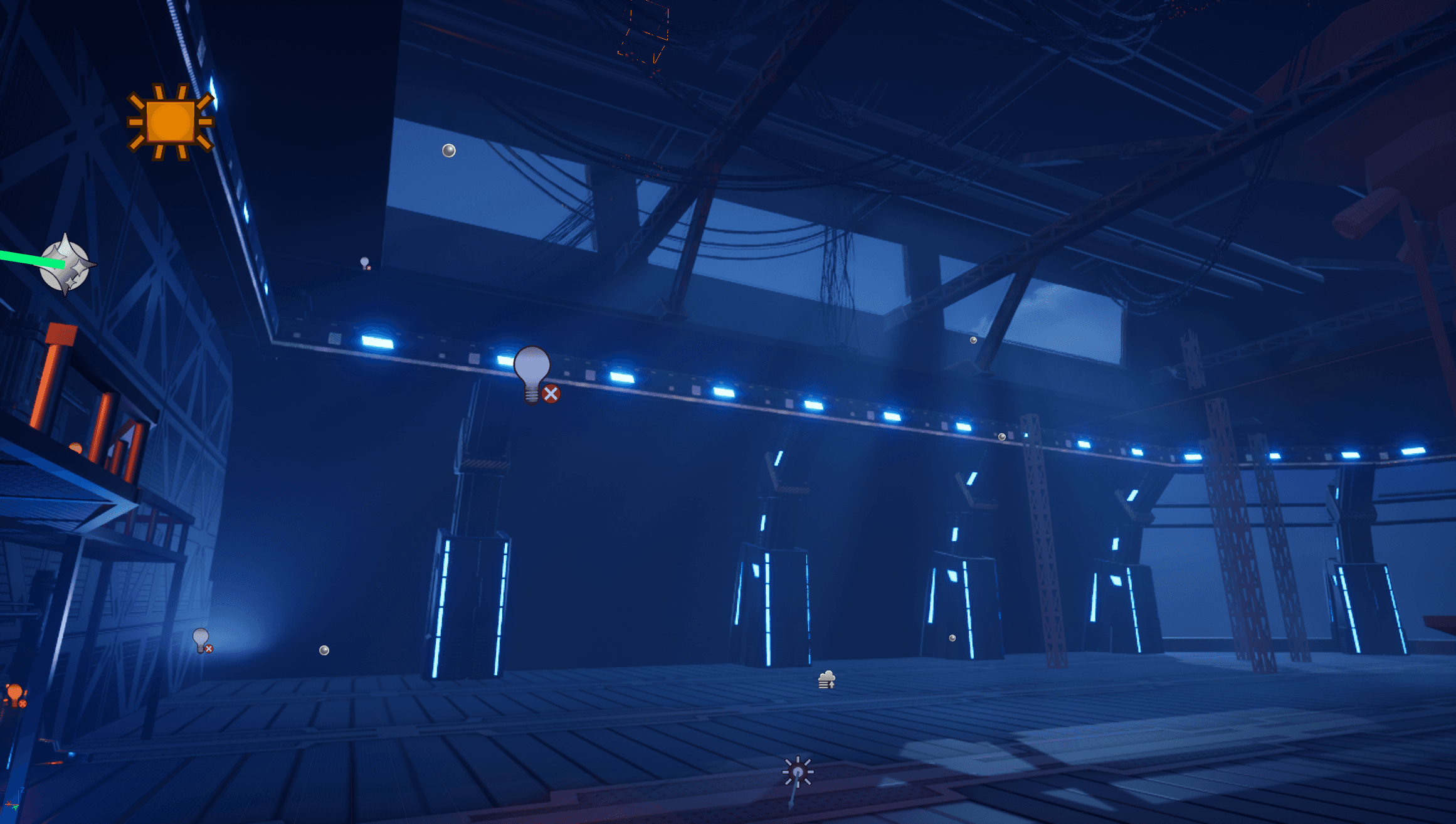
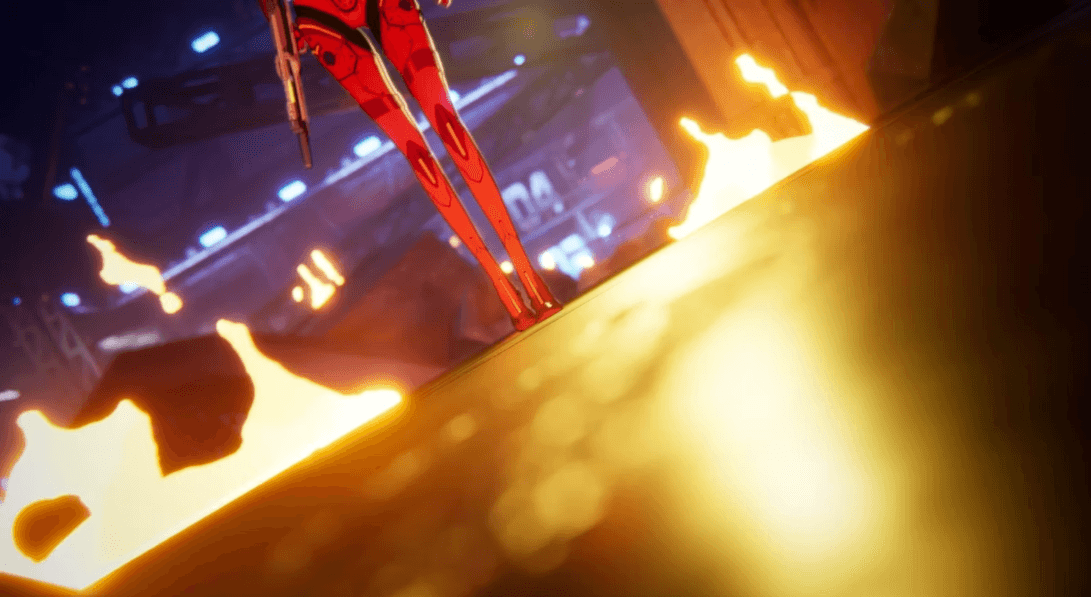
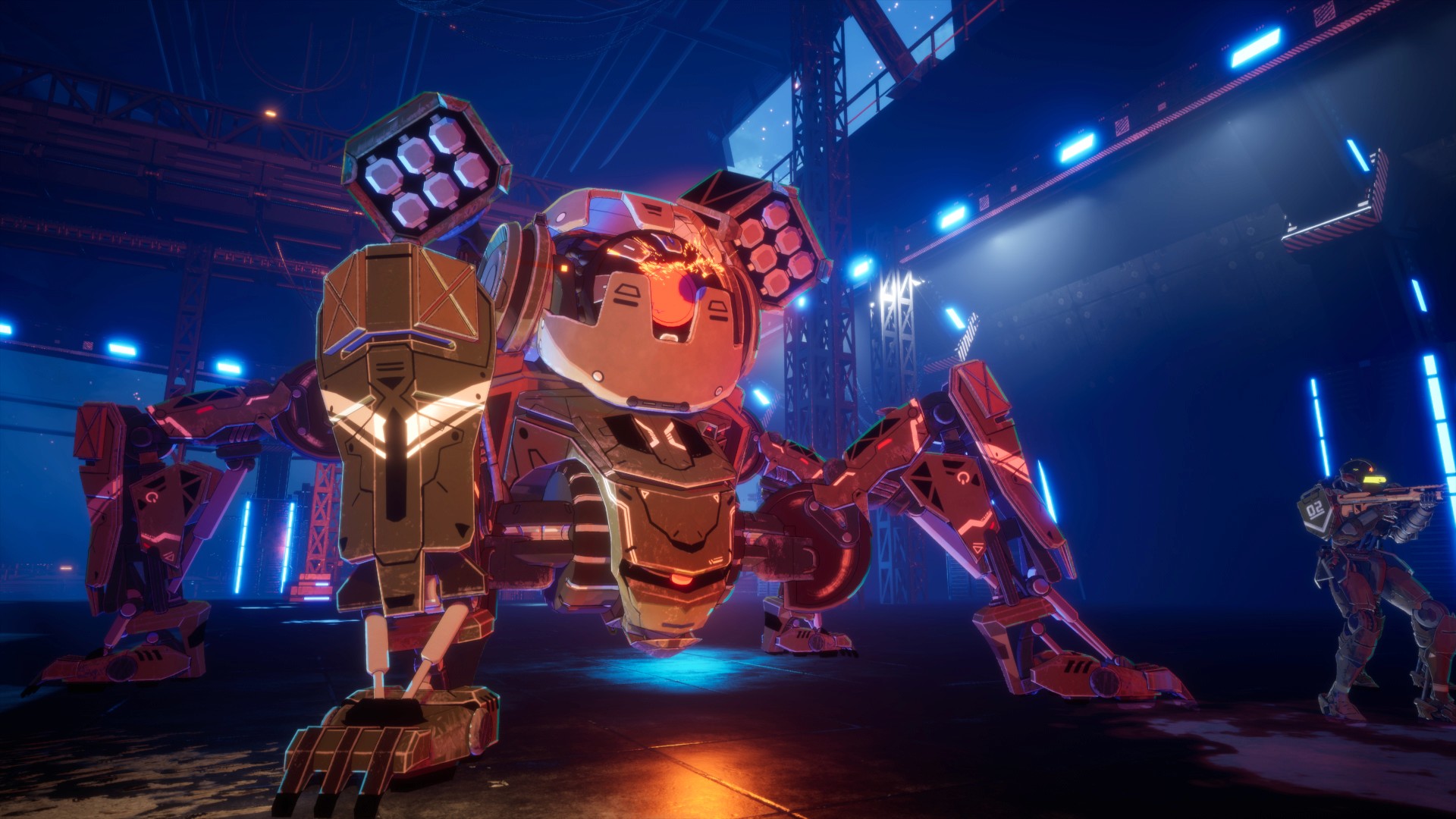
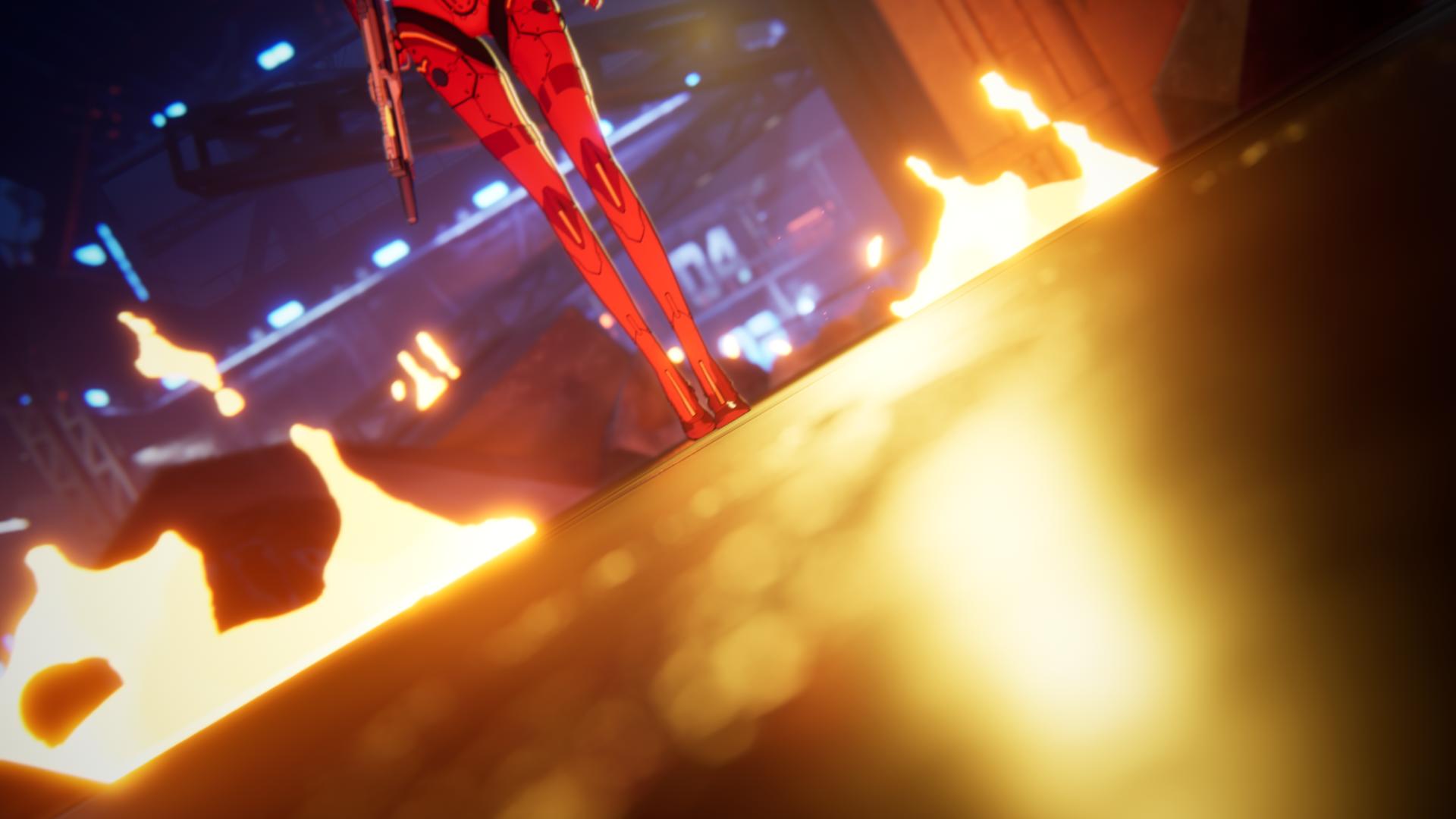
The original design of the main hall was a simple rectangular layout, but after we decided to use Unreal Engine 5, I redesigned it into a semi-elliptical structure and expanded its scale to give the characters more room for movement. I also incorporated select free assets to enrich the scene’s details and construction. In the post-battle version of the hall, I depicted collapsed, burning pillars to reflect the aftermath of destruction and enhance the narrative impact.

The original design of the main hall was a simple rectangular layout, but after we decided to use Unreal Engine 5, I redesigned it into a semi-elliptical structure and expanded its scale to give the characters more room for movement. I also incorporated select free assets to enrich the scene’s details and construction. In the post-battle version of the hall, I depicted collapsed, burning pillars to reflect the aftermath of destruction and enhance the narrative impact.

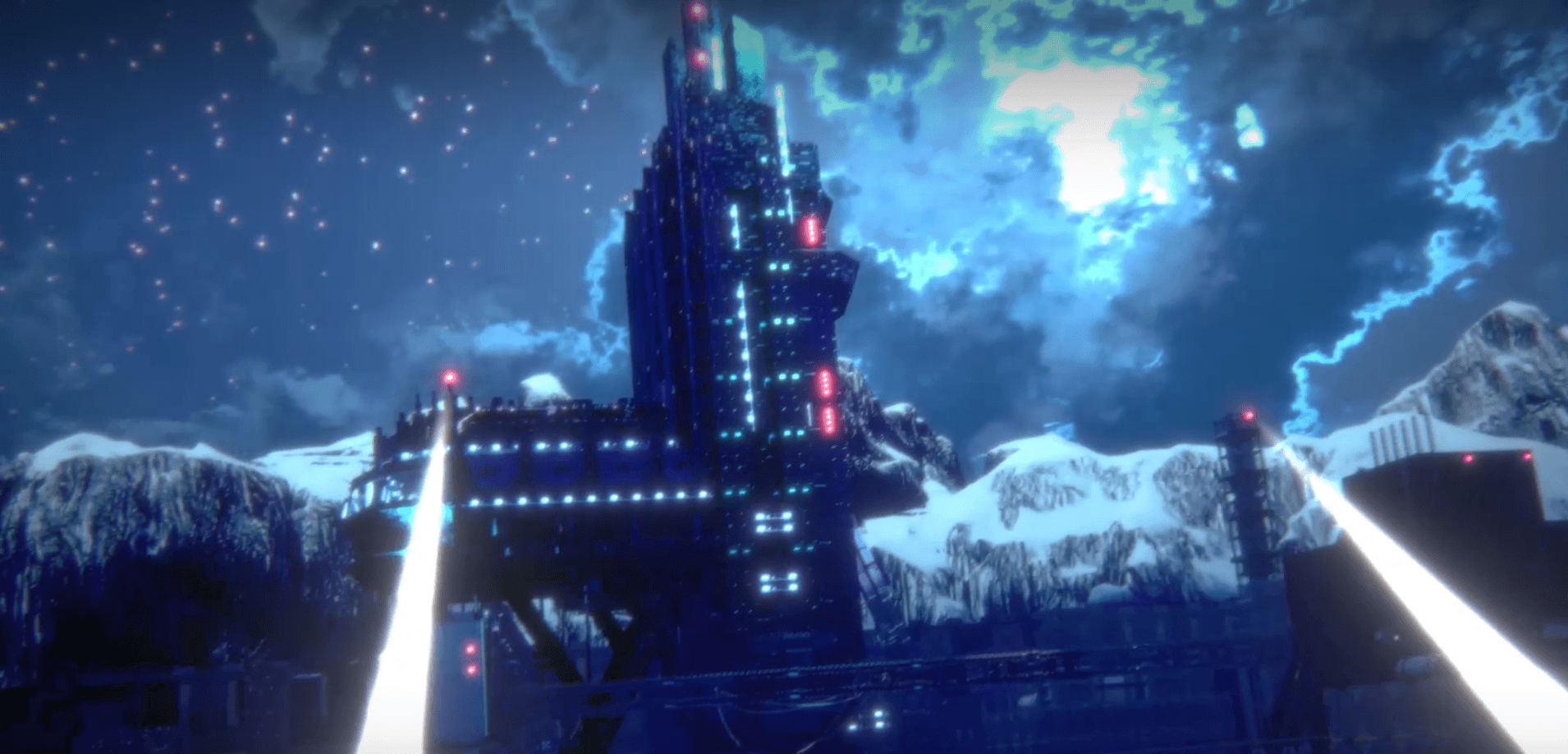
The exterior scene plays a minimal role in the story, serving primarily to establish the setting and atmosphere. To meet this need efficiently, I quickly assembled a tower structure in Unreal Engine, focusing on silhouette and lighting to convey scale and mood within a short timeframe.

The exterior scene plays a minimal role in the story, serving primarily to establish the setting and atmosphere. To meet this need efficiently, I quickly assembled a tower structure in Unreal Engine, focusing on silhouette and lighting to convey scale and mood within a short timeframe.

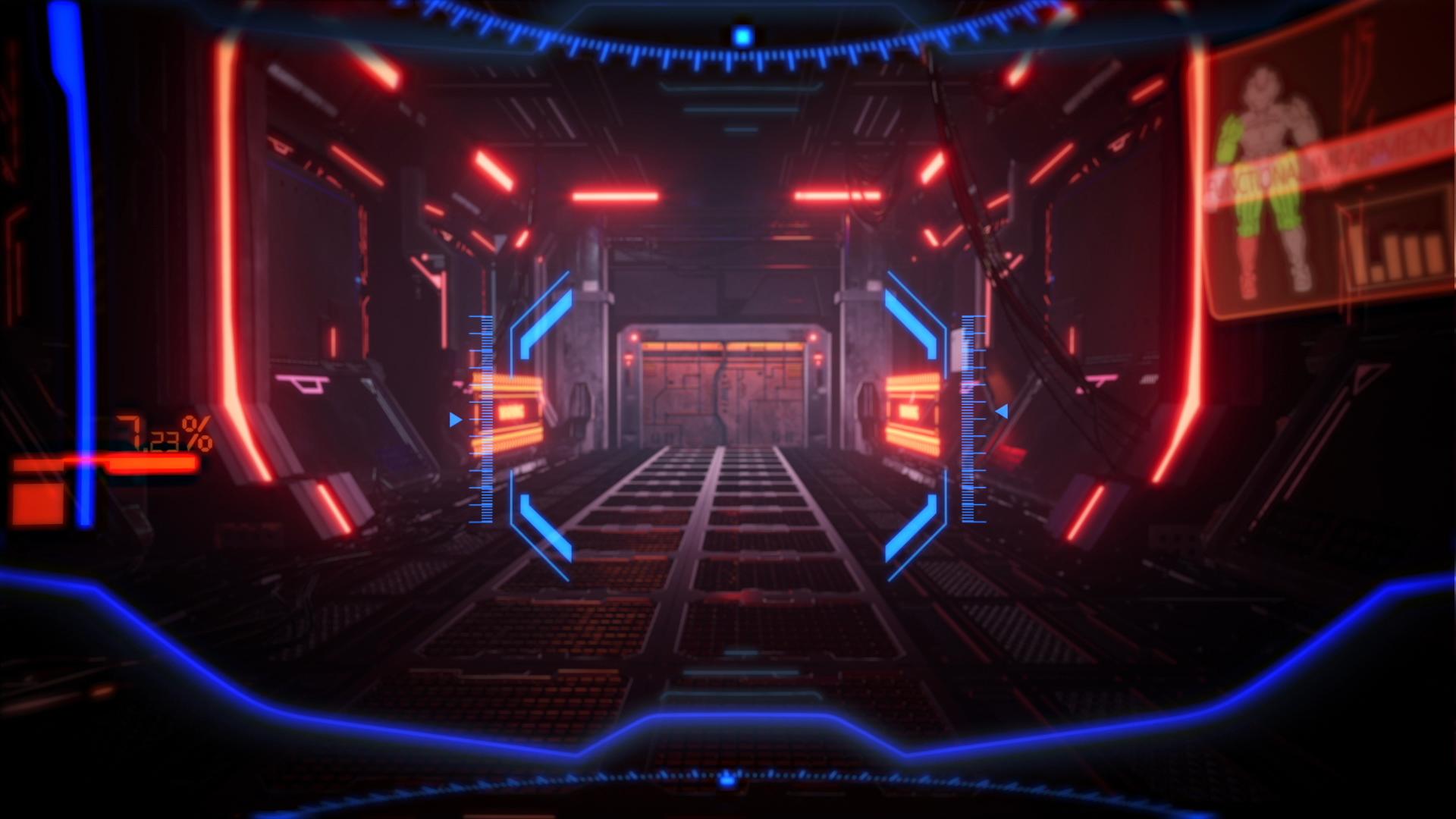
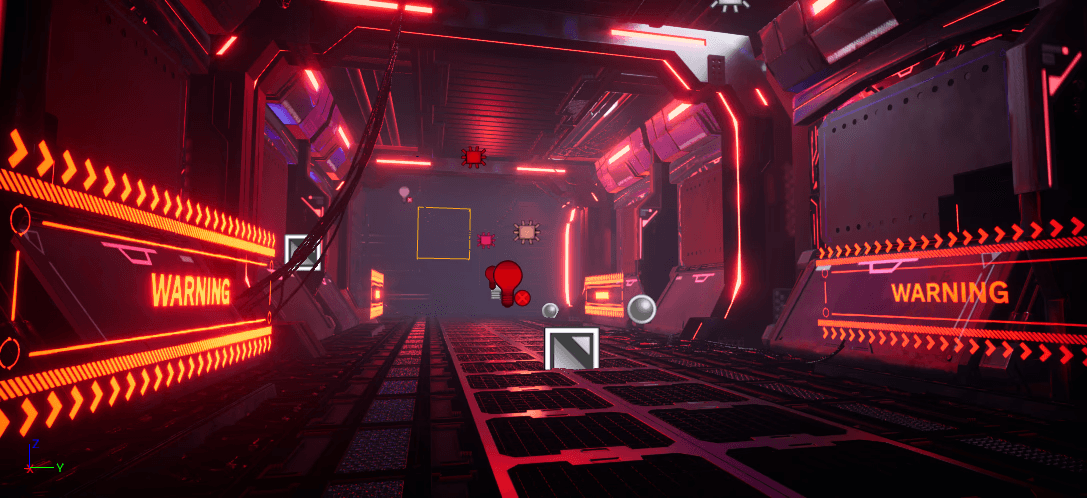
For the passageway environment, I developed a procedural tool in Houdini to streamline the creation of complex pipe systems, allowing for efficient iteration and variation. To enhance the futuristic aesthetic, I added floating screens along the floor edges, contributing to a high-tech atmosphere. The passageway was designed in two color schemes—blue and red—to support different narrative moments within the story.
Laboratory

Stylized

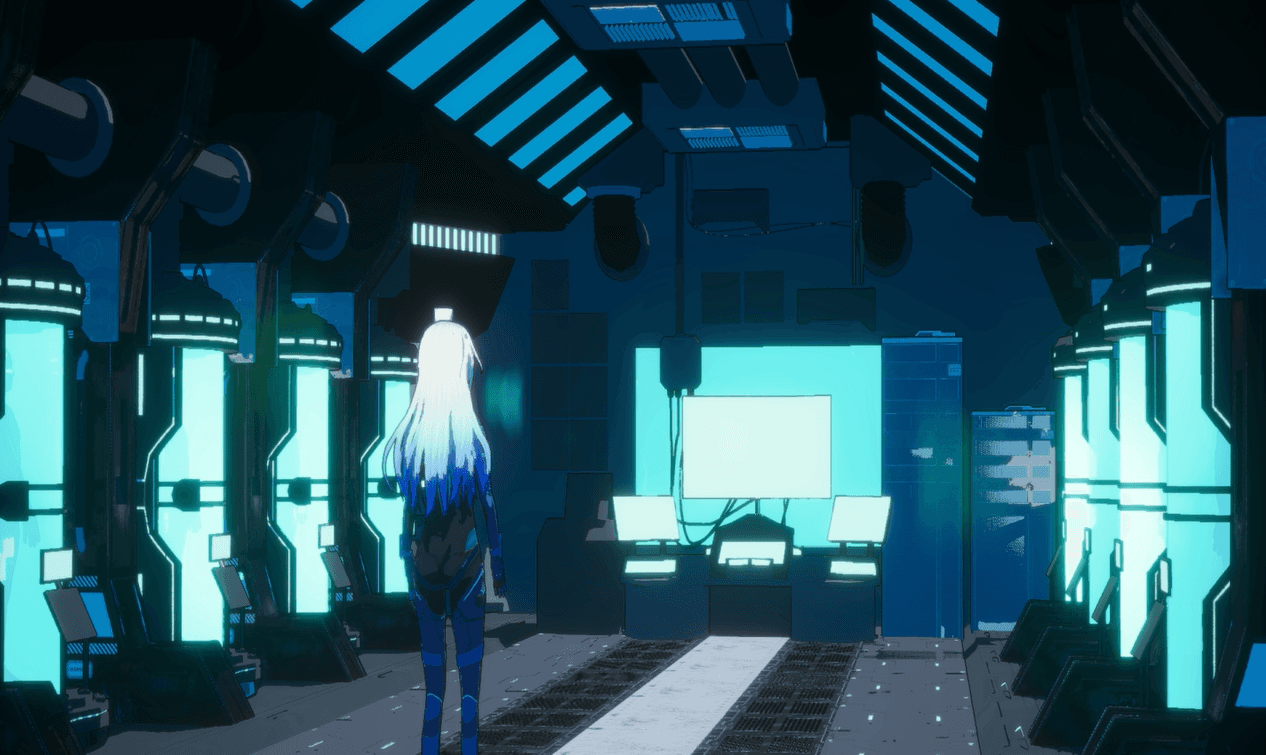
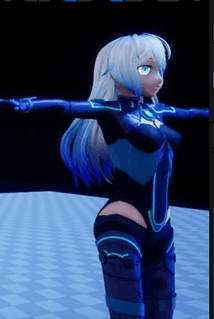
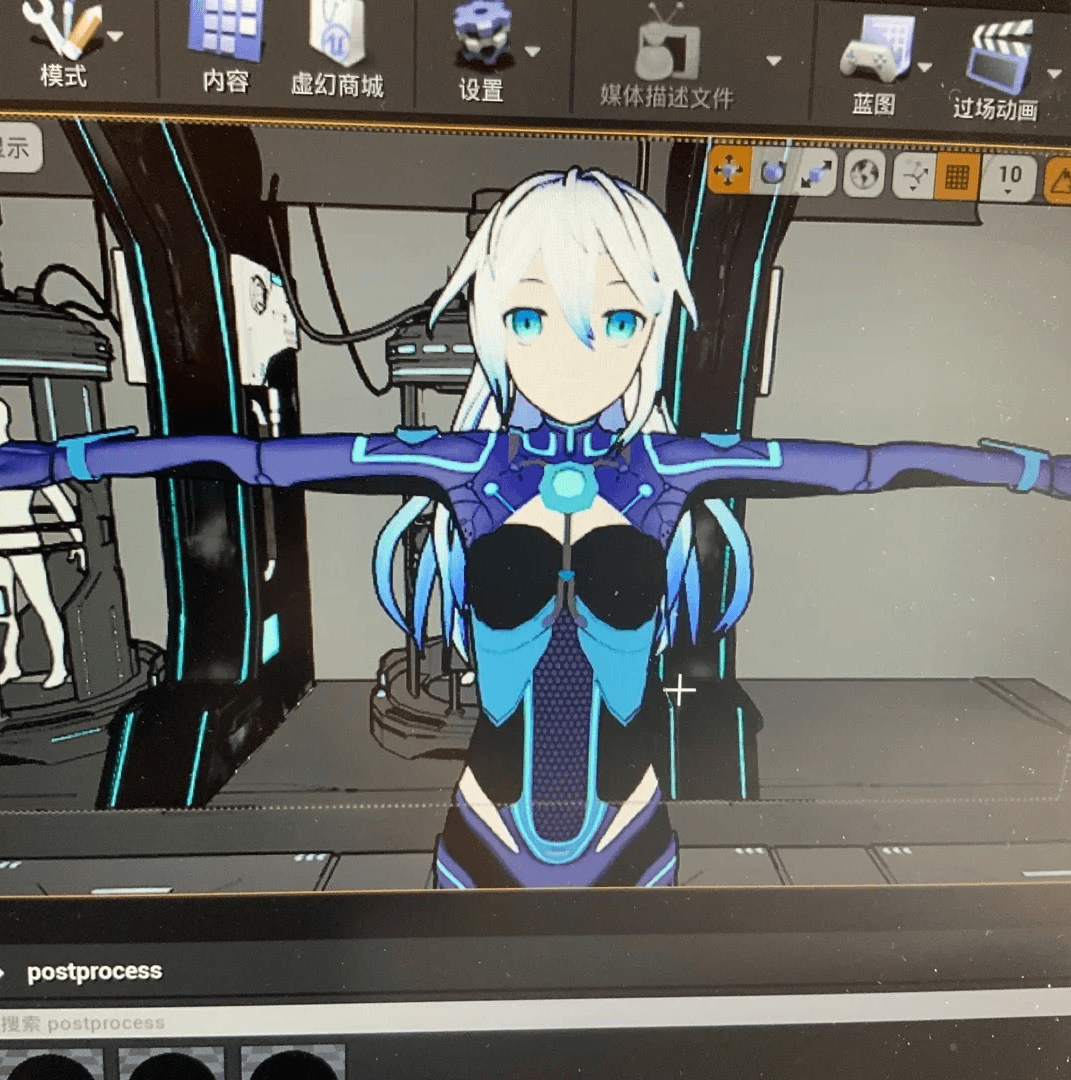
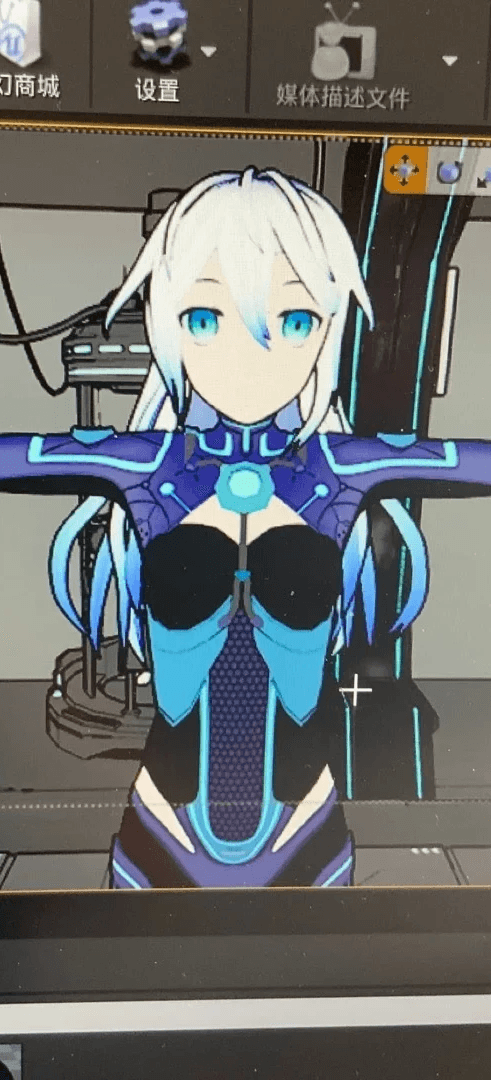
Achieving a stylized, anime-inspired rendering in Unreal Engine 5 was one of the biggest technical challenges I faced as a technical artist on this project. The goal was to flatten the 3D visuals and capture the distinct aesthetic of 2D anime while maintaining the depth and dynamic lighting of a real-time engine. To tackle this, I studied numerous online resources and analyzed workflows shared by industry artists. Through extensive experimentation, I developed a multi-layered material system with nested effects that simulated hand-drawn outlines, soft gradients, and vibrant color transitions. This system went through multiple rounds of refinement and iteration based on visual tests and team feedback to fine-tune the balance between stylization and realism. The final result successfully translated 3D assets into a 2D-like anime aesthetic that enhanced the storytelling and visual tone of the film.

Achieving a stylized, anime-inspired rendering in Unreal Engine 5 was one of the biggest technical challenges I faced as a technical artist on this project. The goal was to flatten the 3D visuals and capture the distinct aesthetic of 2D anime while maintaining the depth and dynamic lighting of a real-time engine. To tackle this, I studied numerous online resources and analyzed workflows shared by industry artists. Through extensive experimentation, I developed a multi-layered material system with nested effects that simulated hand-drawn outlines, soft gradients, and vibrant color transitions. This system went through multiple rounds of refinement and iteration based on visual tests and team feedback to fine-tune the balance between stylization and realism. The final result successfully translated 3D assets into a 2D-like anime aesthetic that enhanced the storytelling and visual tone of the film.

Effect

Effect

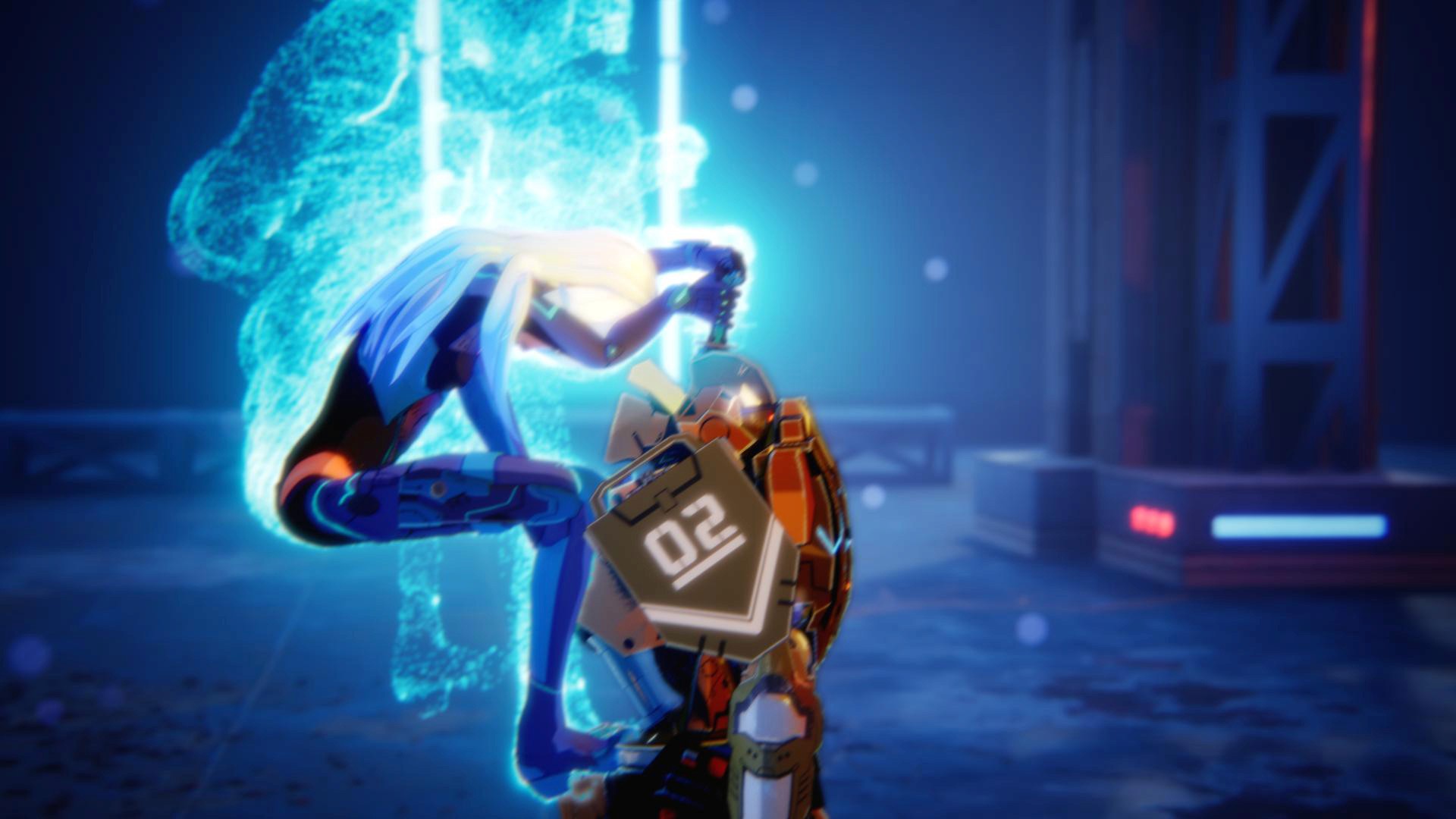
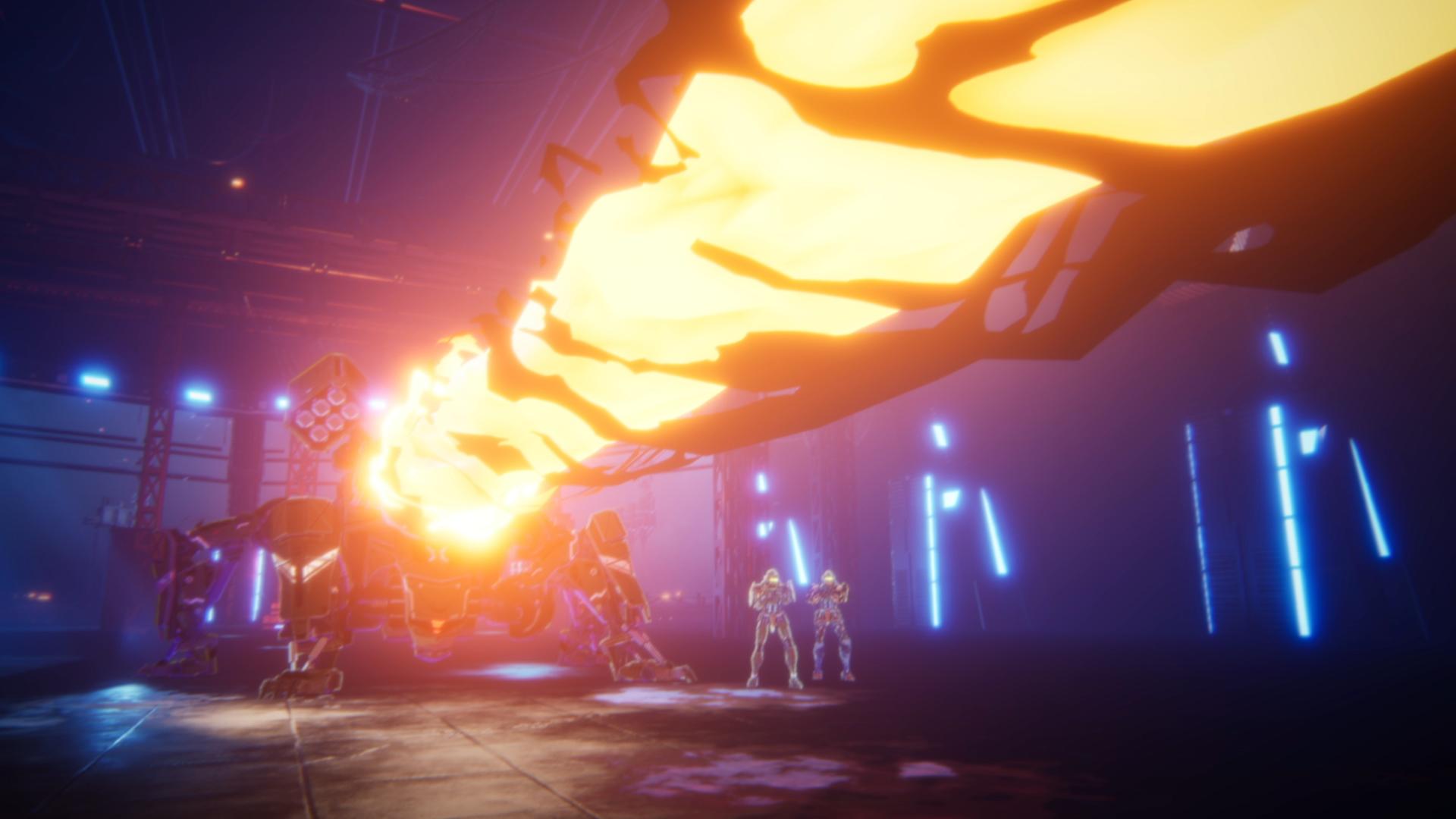
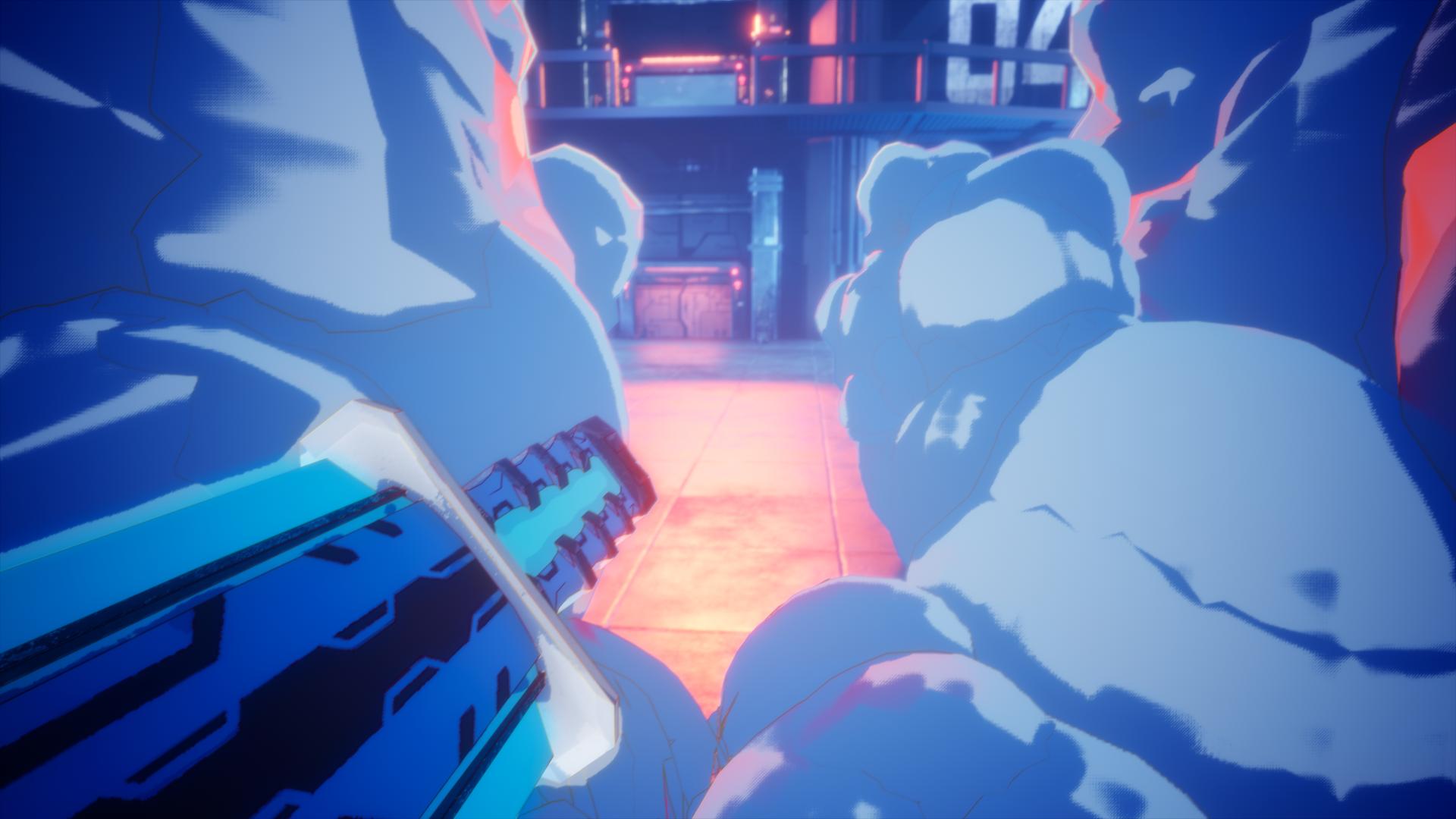
I was also responsible for creating the visual effects for the film. Through continuous learning and exploration, I utilized Unreal Engine 5’s Niagara system to develop a wide range of dynamic effects that enhanced the storytelling and action sequences. These included explosions, cloaking dissolve effects, afterimages, muzzle sparks, transformation particles, shockwaves, and high-speed motion effects. Each effect was iteratively refined to achieve the desired visual impact and seamlessly integrate with the stylized anime aesthetic of the project.

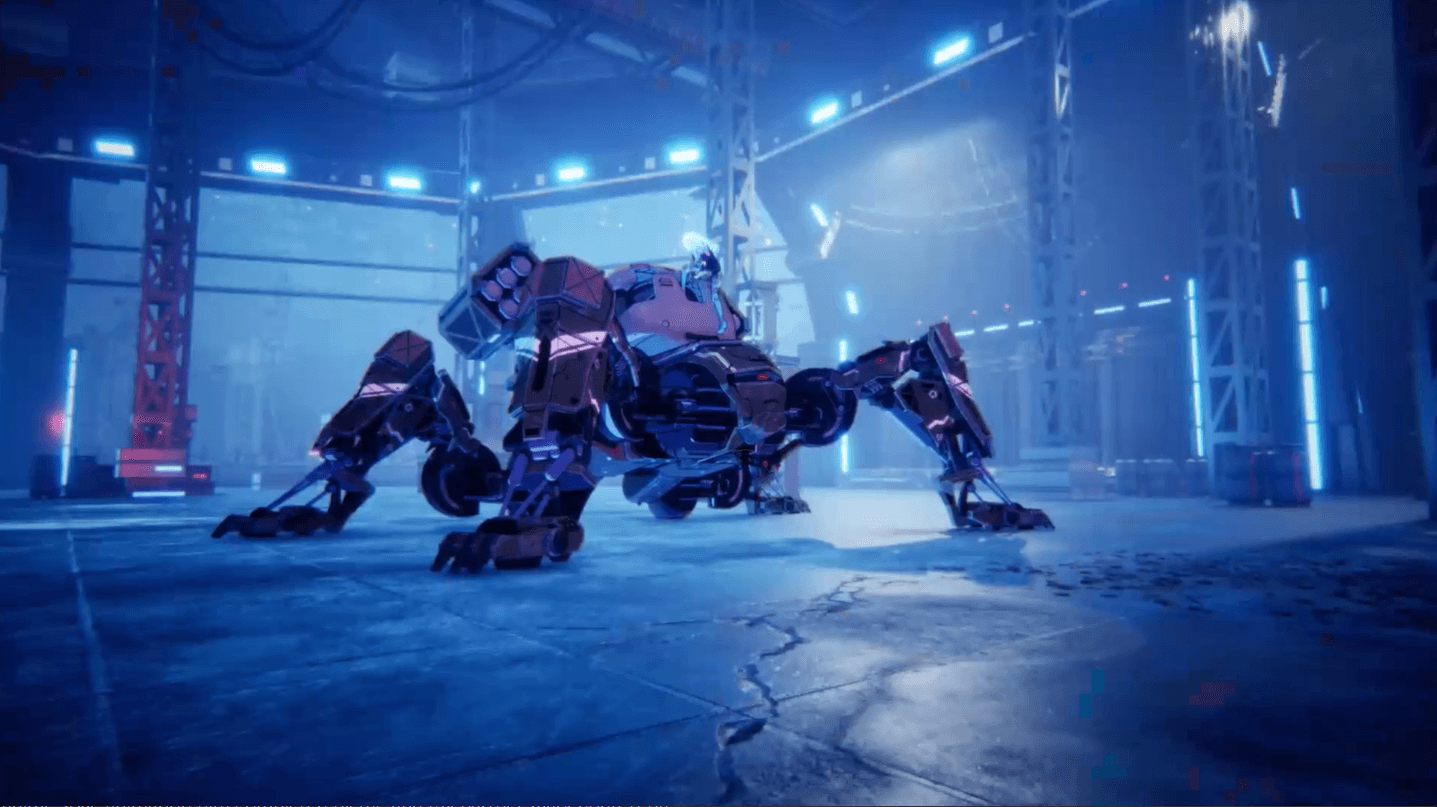
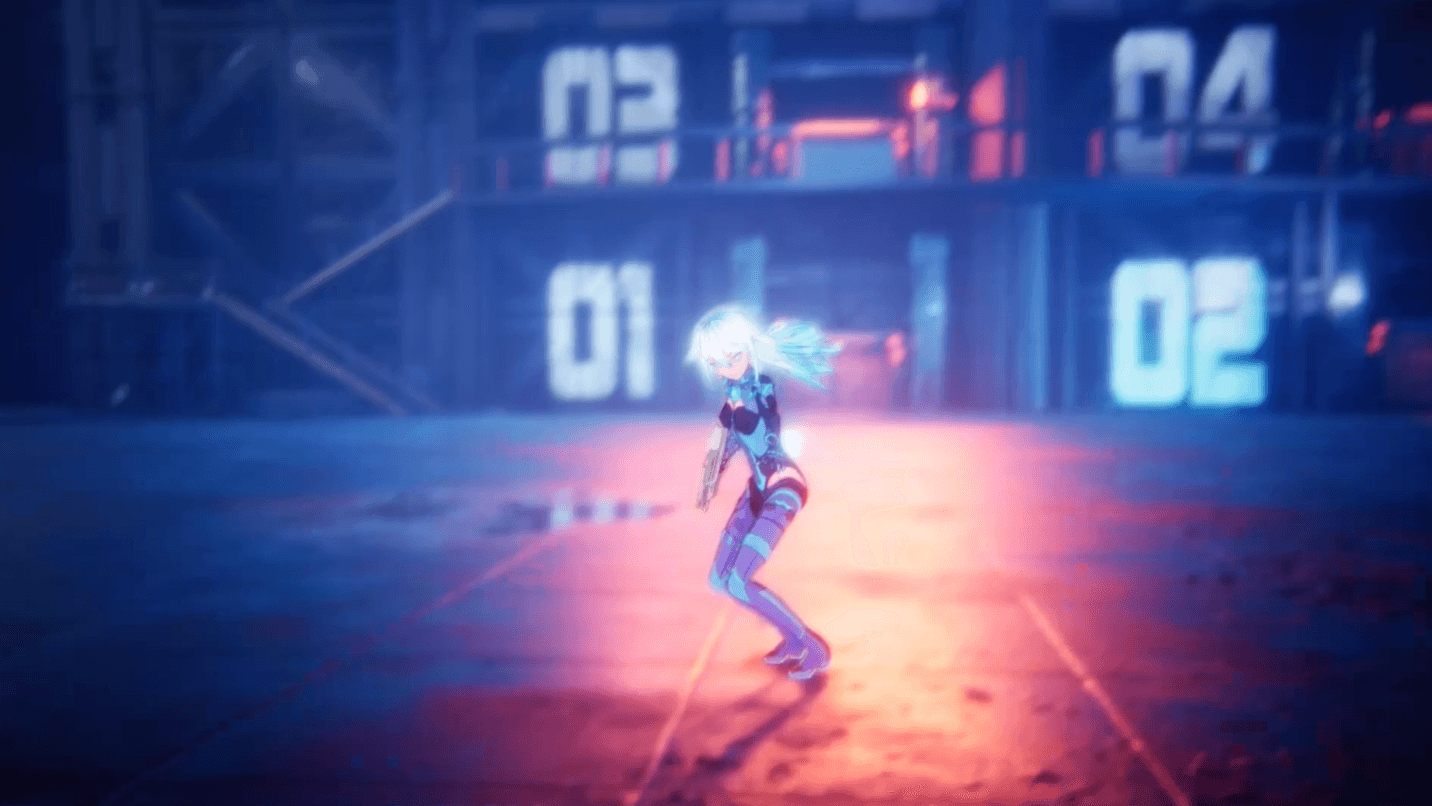
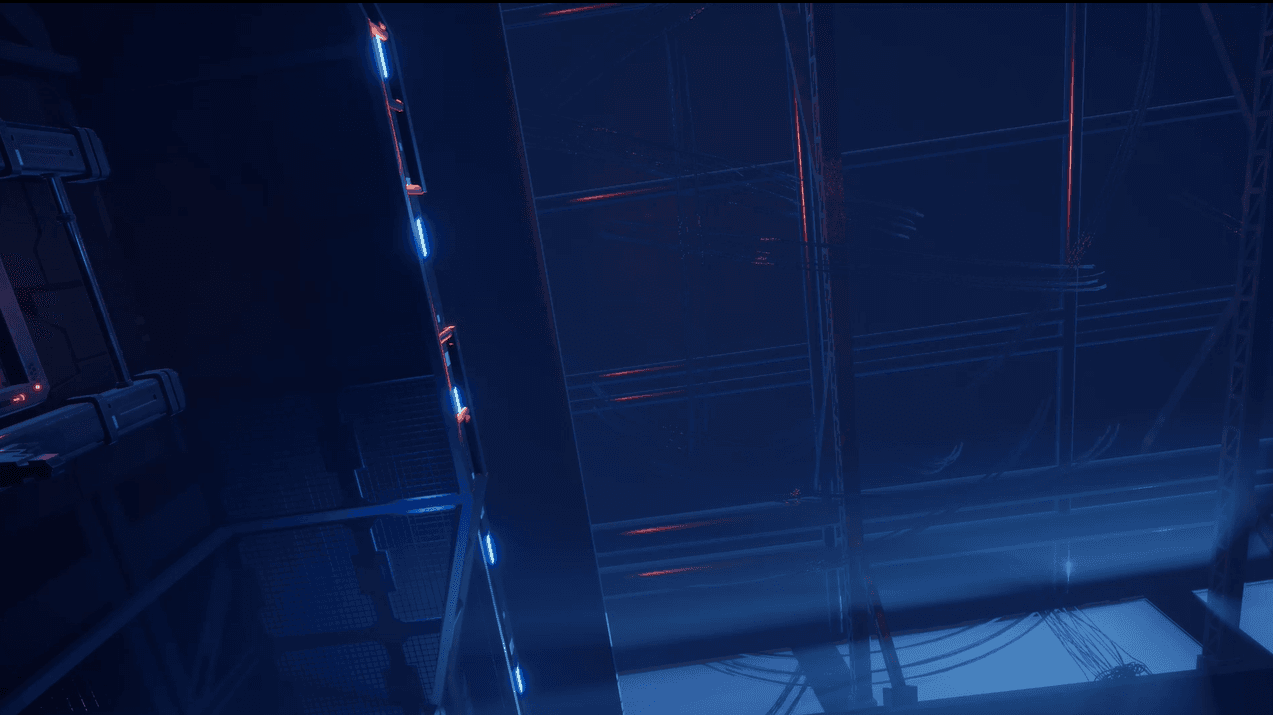
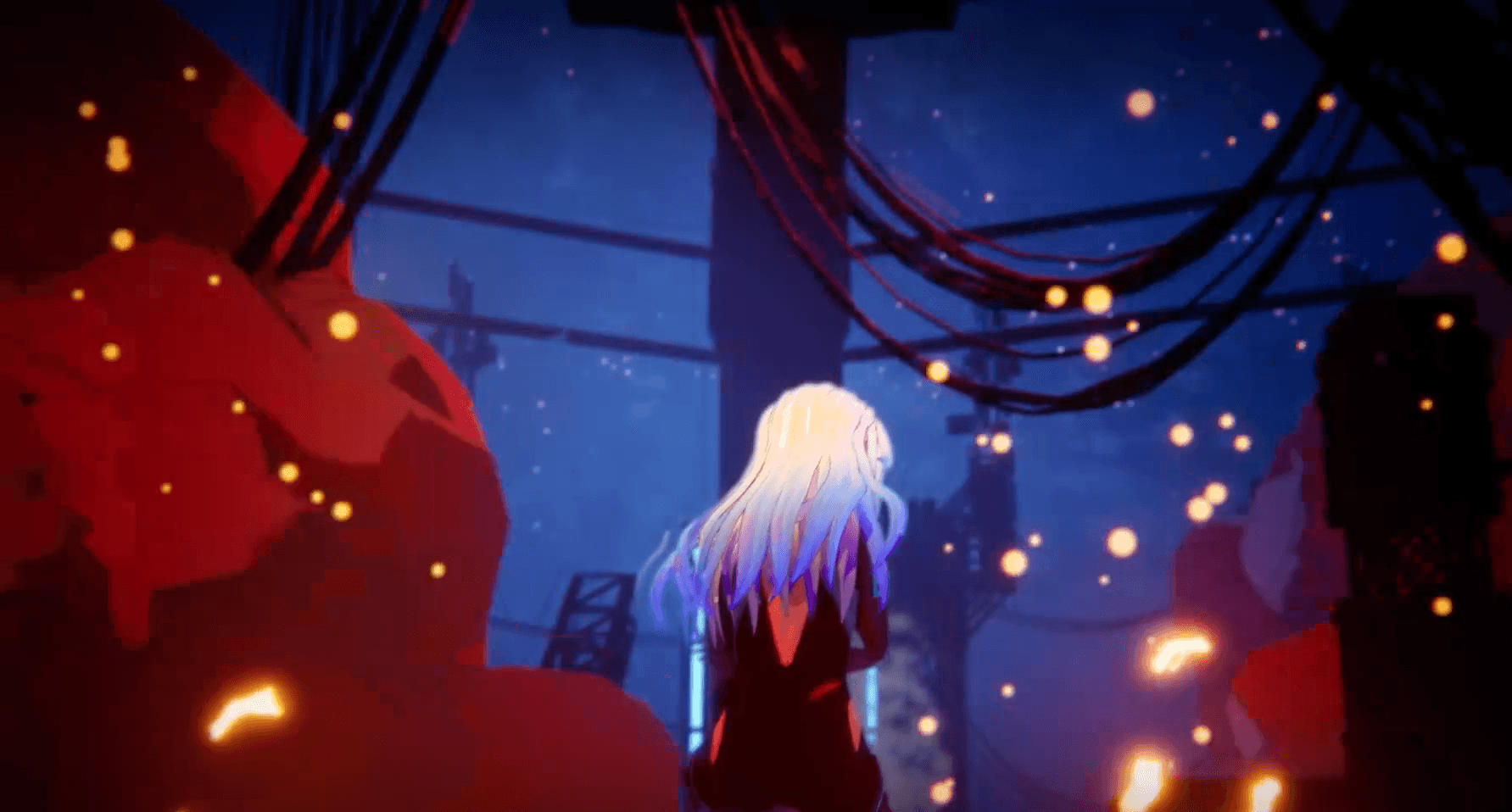
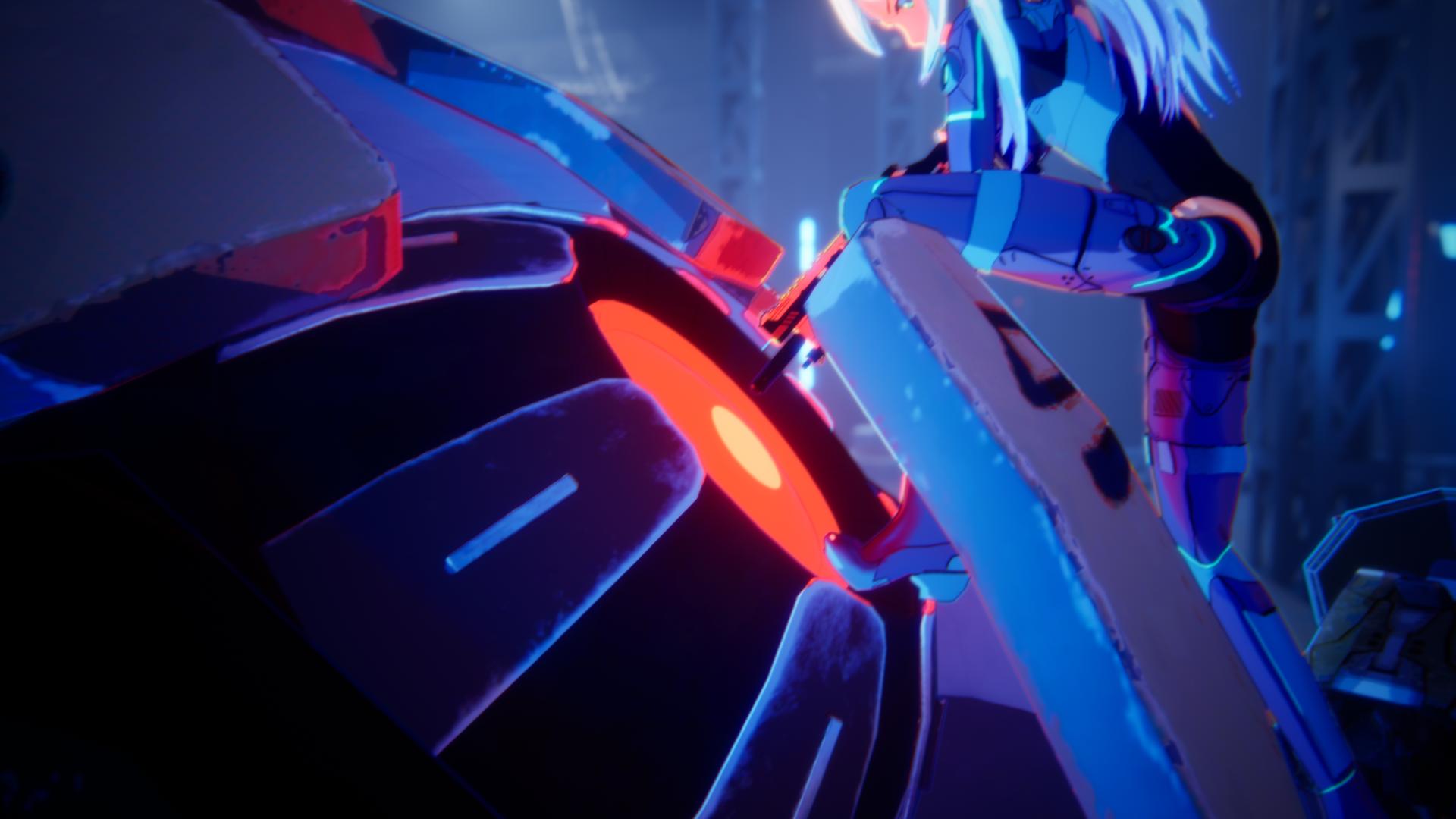
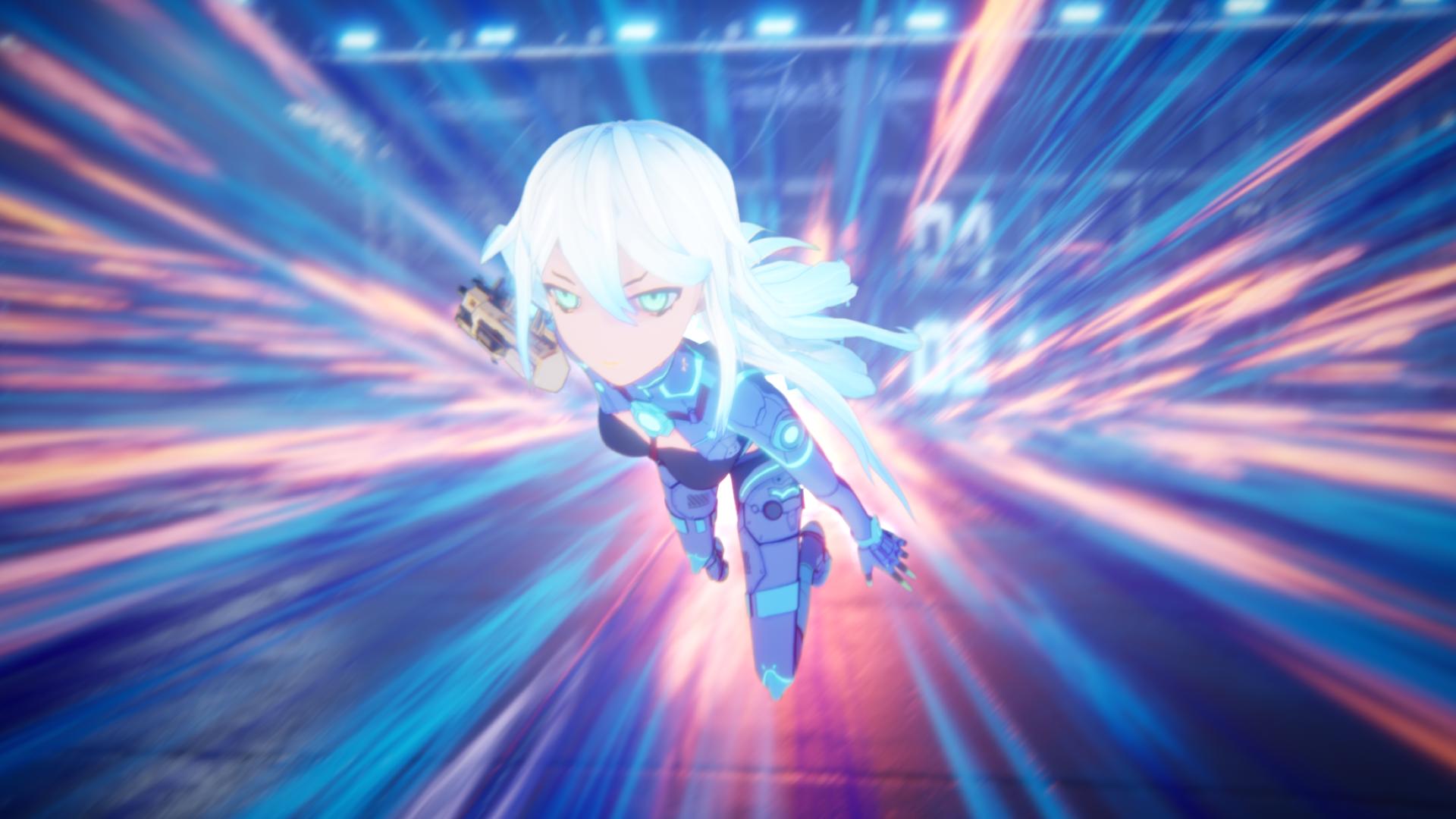
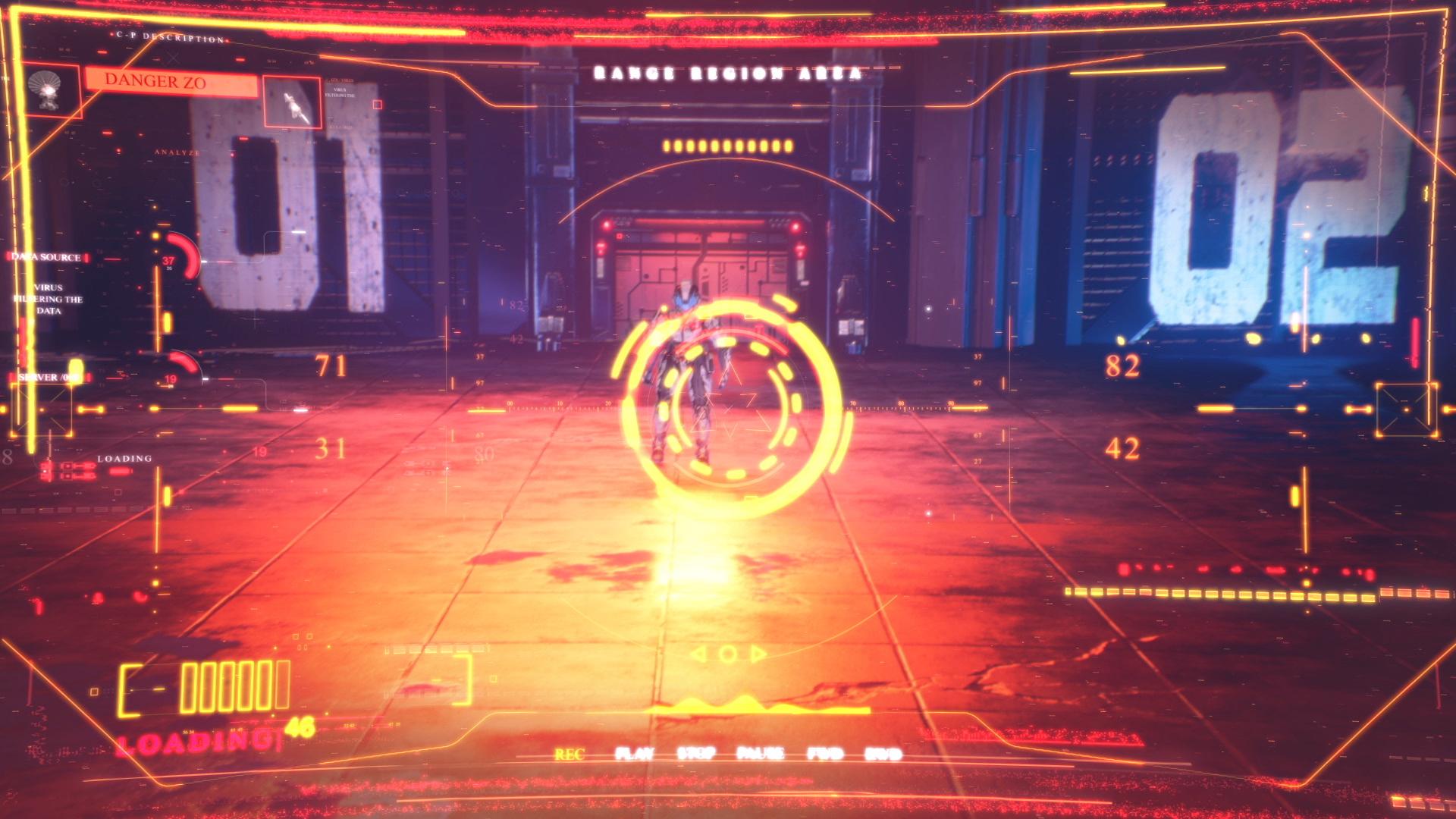
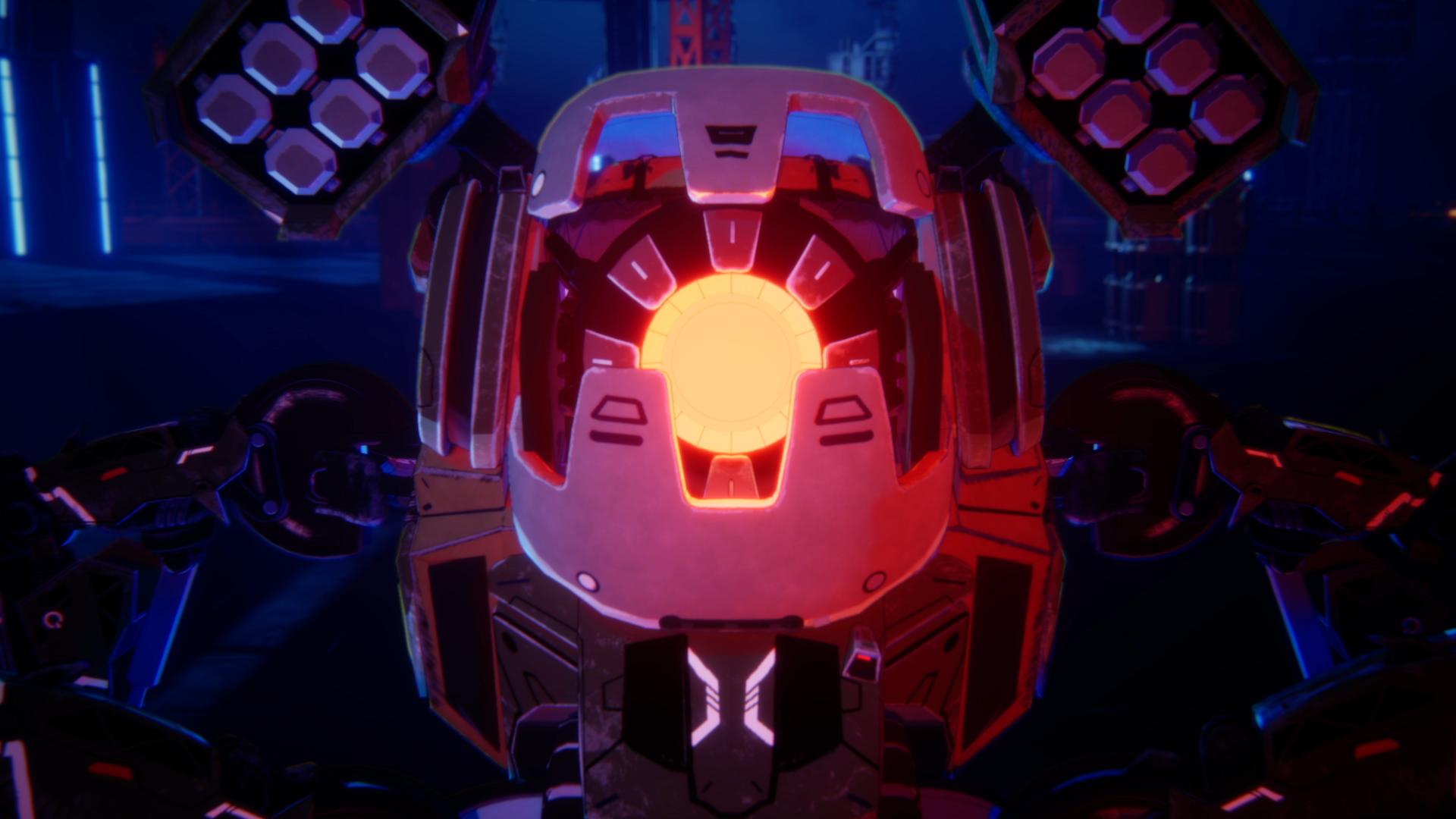
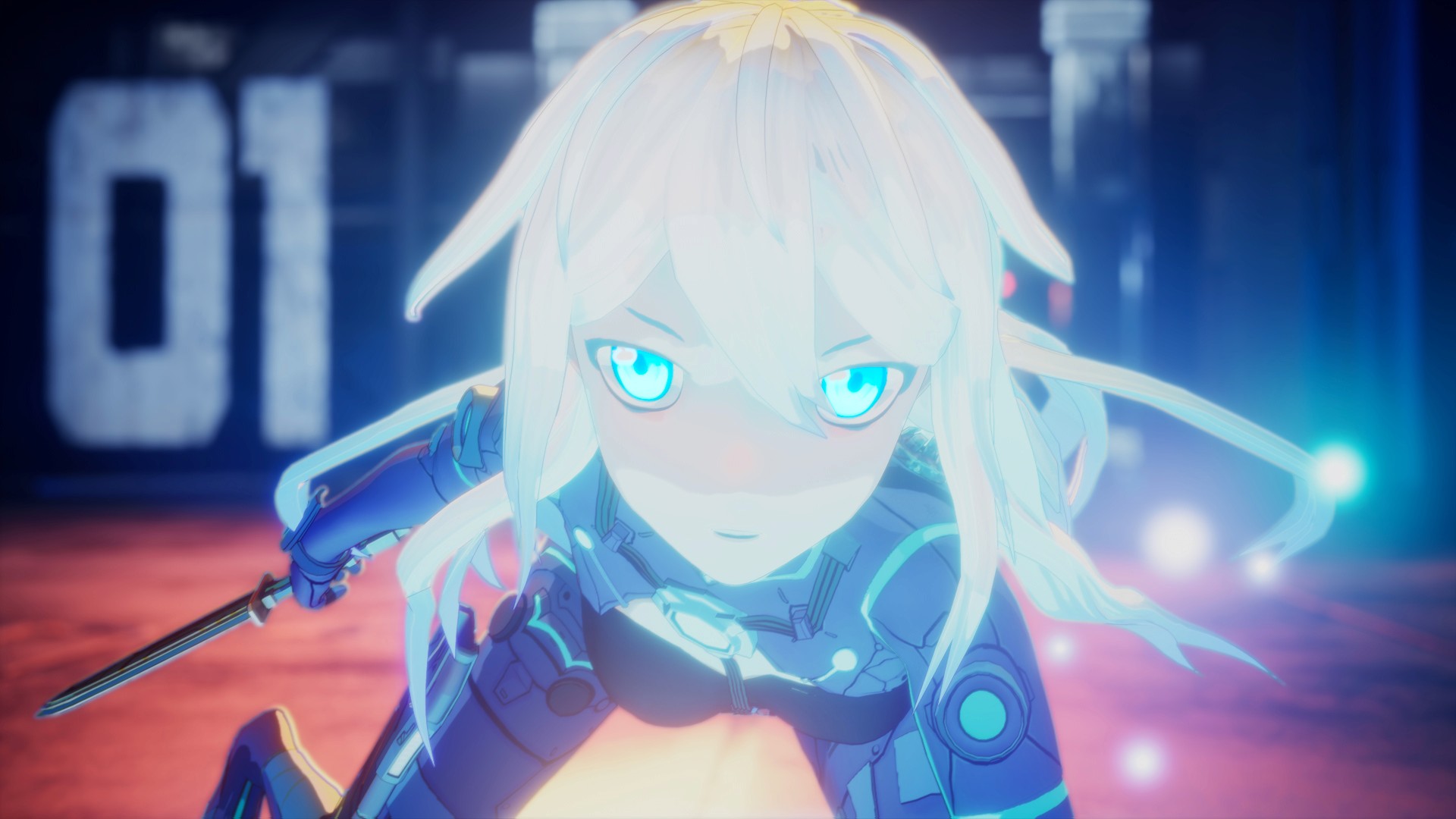
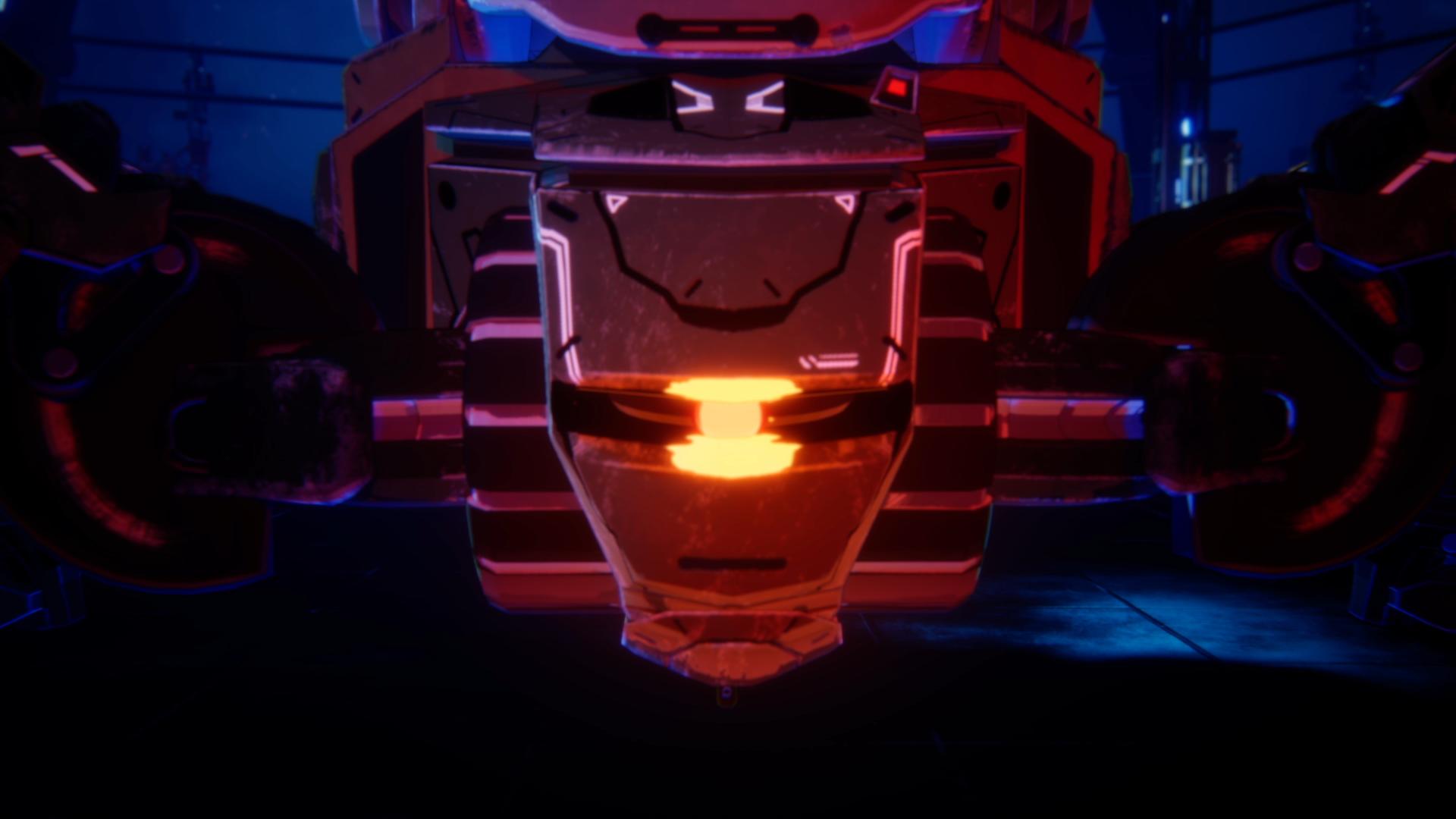
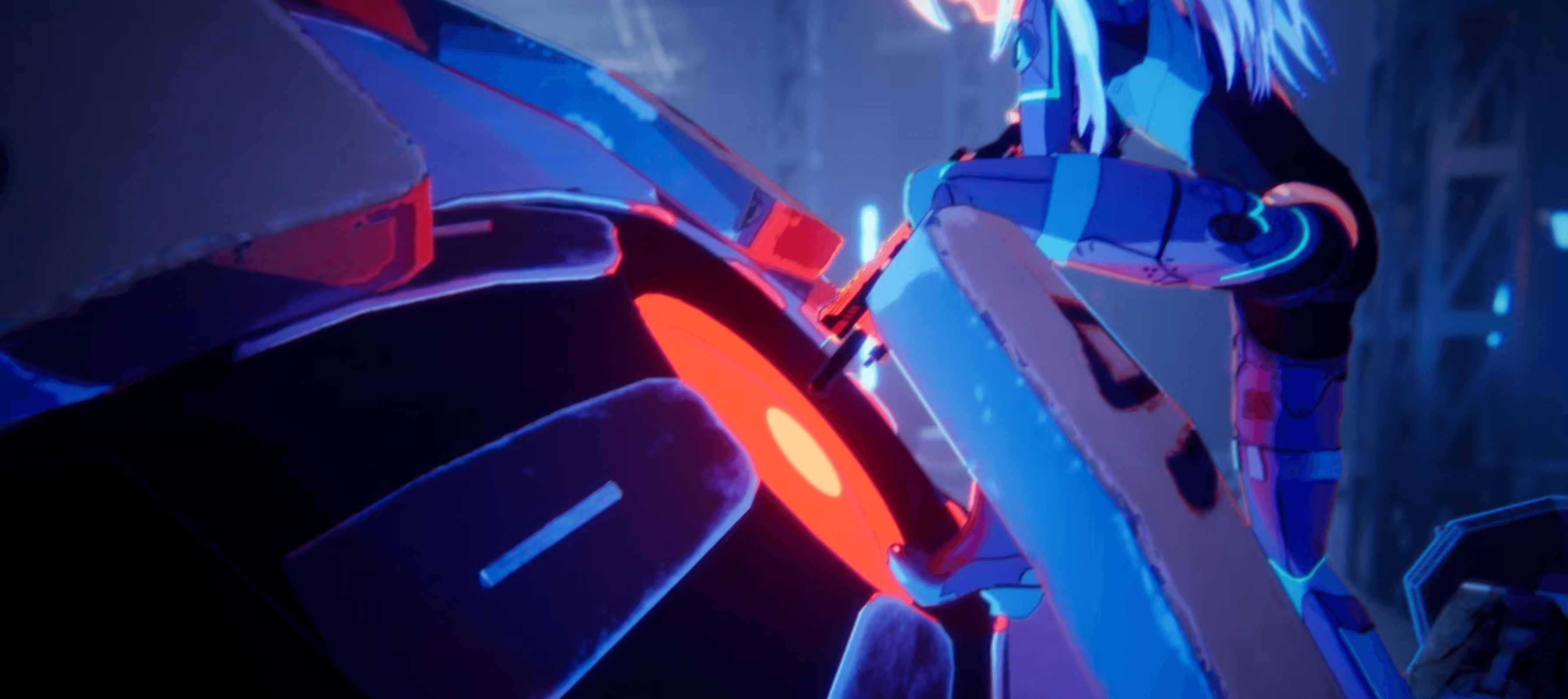
With the combined efforts of our team, the generous help of friends, and valuable guidance from our professors, we successfully completed the film. Below are some selected screenshots showcasing key moments from the project.

Watch the full film here: [https://xhuang111.wixsite.com/elenaart/projects-2]

Final